The global demand for high-speed internet continues to drive the development of fiber optic communication networks. Telecom operators, internet service providers (ISPs), network contractors, distributors, and wholesalers require reliable products to build and maintain fiber-to-the-home (FTTH) and fiber-to-the-x (FTTx) infrastructure.
However, sourcing fiber optic network products can present several challenges. Buyers must consider product quality, technical compatibility, procurement costs, production capacity, delivery schedules, and the reliability of their suppliers. When purchasing multiple product categories through different intermediaries, coordinating specifications and shipments can also become complicated.
Working directly with a manufacturer offers an alternative.
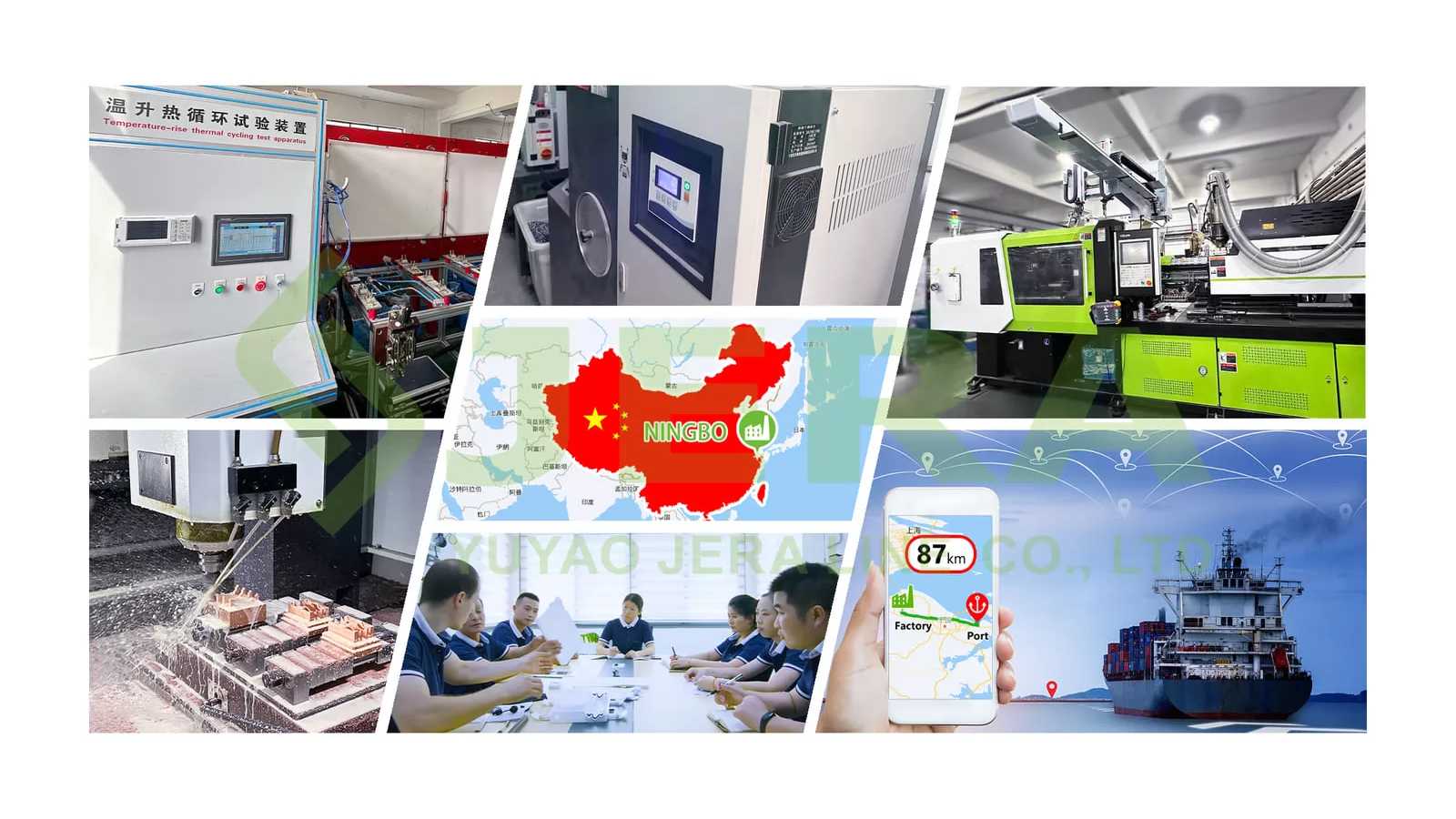
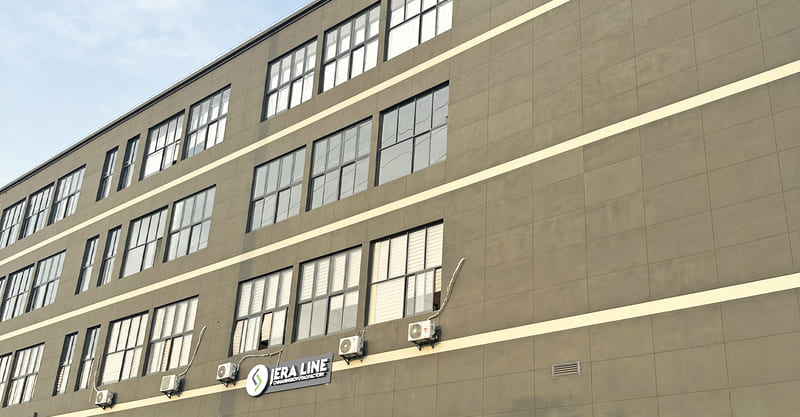
JERA FIBER, operated by Yuyao Jera Line Co., Ltd., is a factory-direct manufacturer based in Yuyao, Ningbo, China. Established in 2012, the company specializes in fiber optic products and accessories for indoor and outdoor FTTH deployment.
Its product range covers fiber optic cables, pre-terminated cables, distribution boxes, splice closures, cable clamps, pole brackets, stainless steel banding systems, and other components used in fiber optic network installation.
By combining manufacturing capabilities with product development, quality control, and OEM services, JERA FIBER works with international customers seeking practical solutions for their fiber optic infrastructure projects.
In this article, we explain what factory-direct manufacturing means, how it can benefit international buyers, and why JERA FIBER may be a suitable manufacturing partner for distributors, telecom contractors, and fiber optic equipment importers.

1. JERA FIBER: An Experienced FTTH Factory in China
Choosing a manufacturing partner begins with understanding its background, production focus, and ability to support your business requirements.
JERA LINE was established in 2012 and operates a manufacturing facility in Yuyao, Ningbo, Zhejiang Province, China. The company focuses on products used in telecommunications cable infrastructure, particularly FTTH and outdoor fiber optic network deployment.
With experience serving international customers, JERA LINE has developed a product portfolio designed to support different stages of fiber optic cable installation and distribution.
A Dedicated Focus on Fiber Optic Infrastructure
Rather than concentrating on a single accessory, JERA FIBER offers products covering several related parts of an FTTH network.
These include cable products, cable fastening hardware, fiber distribution and termination enclosures, and accessories for overhead cable installation.
This product focus allows buyers to explore related components through one manufacturer and evaluate which products are suitable for their projects.
A Manufacturing Base in Yuyao, Ningbo
Yuyao is located in Zhejiang Province, within the Yangtze River Delta manufacturing region.
For international buyers, a supplier's manufacturing location can influence transportation arrangements, access to industrial supply chains, and export coordination.
JERA LINE's factory-direct model allows customers to communicate with the manufacturer about product specifications, order quantities, customization requirements, and shipping arrangements.
2. Factory-Direct Manufacturing: What Does It Mean for Buyers?
A factory-direct supplier manufactures products and sells them to customers without relying exclusively on independent trading intermediaries.
For international B2B buyers, this arrangement can provide several practical advantages, although the actual benefits depend on product requirements, order quantities, and commercial terms.
Direct Communication with the Manufacturer
When buyers communicate directly with a factory, they can discuss technical requirements and production details with the company responsible for manufacturing the products.
This is particularly important for fiber optic accessories, where small differences in cable diameter, material, dimensions, or mounting configuration can affect product suitability.
For example, a telecom contractor may require an anchoring clamp for a specific ADSS cable diameter. A distributor may need a distribution box with a particular internal configuration. An importer may want to customize product packaging for its own market.
Direct communication helps clarify these requirements before the order is confirmed.
Better Coordination of Product Specifications
Fiber optic network products often work together as part of a complete installation system.
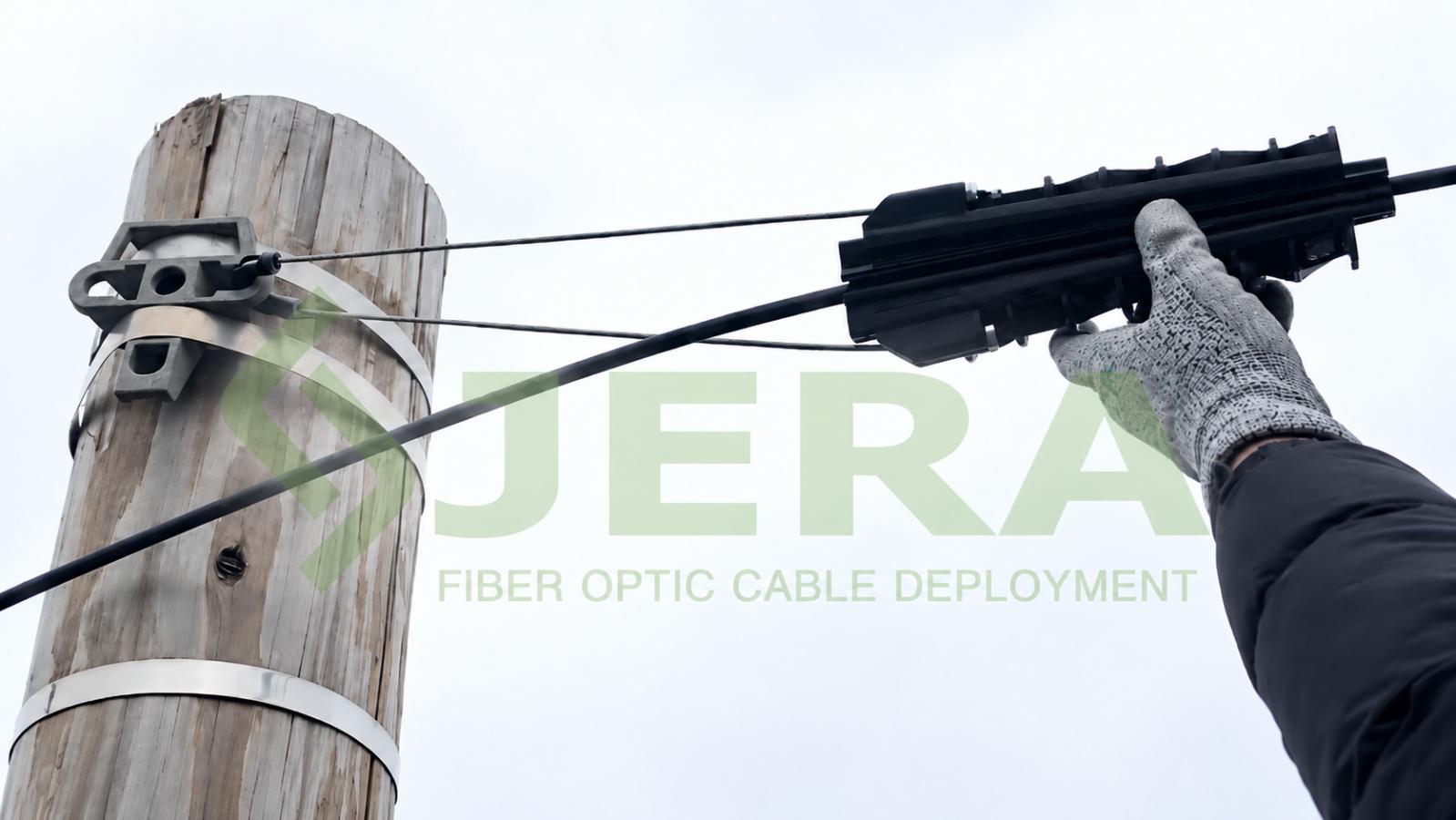
Aerial cable deployment, for example, may require suitable cables, anchoring clamps, suspension clamps, brackets, and other fastening accessories.
When several related products are sourced from different suppliers, buyers may need to coordinate multiple specifications and delivery schedules.
JERA FIBER offers a range of related products, giving customers the opportunity to discuss product compatibility and purchasing requirements with one manufacturing partner.
The suitability of each component should still be confirmed according to the cable design, installation method, and applicable project specifications.
Greater Visibility into Manufacturing Arrangements
Direct factory communication can help buyers understand production schedules, sample arrangements, tooling requirements, and the status of customized orders.
For repeat purchases, this information can support inventory planning and procurement coordination.
A reliable manufacturer should communicate realistic lead times based on current production capacity, material availability, order quantity, and product complexity.
More Flexible Customization Discussions
When a product does not fully meet a customer's requirements, the manufacturer may be able to evaluate modifications to an existing design.
Depending on feasibility, discussions may cover dimensions, materials, mounting arrangements, labeling, or packaging.
JERA LINE provides OEM and ODM services and has manufacturing and development capabilities for evaluating customization requests.
3. A Broad Product Portfolio for FTTH and Fiber Optic Networks
One of the advantages of working with a specialized FTTH manufacturer is the ability to source multiple related product categories.
JERA FIBER's product portfolio includes components for cable deployment, fiber distribution, termination, and network installation.
Fiber Optic Cables
Fiber optic cables form the transmission backbone of modern communication networks.
Different applications require different cable constructions. FTTH drop cables are commonly used in the final connection to subscribers, while ADSS cables are designed for suitable aerial installations. Other cable structures may be used for indoor, outdoor, or specialized network environments.
When selecting fiber optic cables, buyers should consider:
-
Cable construction and outer diameter.
-
Fiber type and fiber count.
-
Strength member design.
-
Indoor or outdoor installation requirements.
-
Mechanical and environmental specifications.
-
Applicable technical standards.
JERA LINE manufactures fiber optic cables for FTTH and other FTTx applications.
Pre-Terminated Fiber Optic Cables
Pre-terminated fiber optic cables are supplied with connectors installed at the cable ends.
They can help simplify certain installation processes by reducing the need for field termination, provided the cable length, connector configuration, and installation method are correctly specified.
Important selection factors include connector type, fiber type, cable construction, length, and the required optical performance.
JERA LINE offers pre-terminated cable products for selected FTTH applications.
Fiber Optic Distribution Boxes and Splice Closures
Fiber optic distribution boxes and splice closures help organize, protect, and manage optical fibers at different points in a network.
Depending on the product design, they may accommodate fiber termination, splicing, splitting, and cable management.
Buyers should evaluate fiber capacity, internal layout, cable entry arrangements, mounting options, environmental protection requirements, and compatibility with other optical components.
Outdoor products must be suitable for their intended installation environment, with protection ratings and performance supported by the relevant specifications and documentation.
Fiber Optic Cable Clamps and Pole Brackets
Cable clamps and pole brackets are important components of aerial fiber optic infrastructure.
Different products serve different functions. Anchoring clamps secure suitable cables at dead-end points, suspension clamps support cables along intermediate spans, and brackets provide mounting points for cable hardware.
Product selection depends on cable diameter, construction, mechanical loading, installation configuration, and the recommendations of the cable manufacturer.
JERA FIBER supplies selected cable clamps, pole brackets, hooks, and related accessories for FTTH and aerial fiber optic deployment.
Stainless Steel Banding Systems
Stainless steel bands and buckles are widely used for pole mounting and fastening applications.
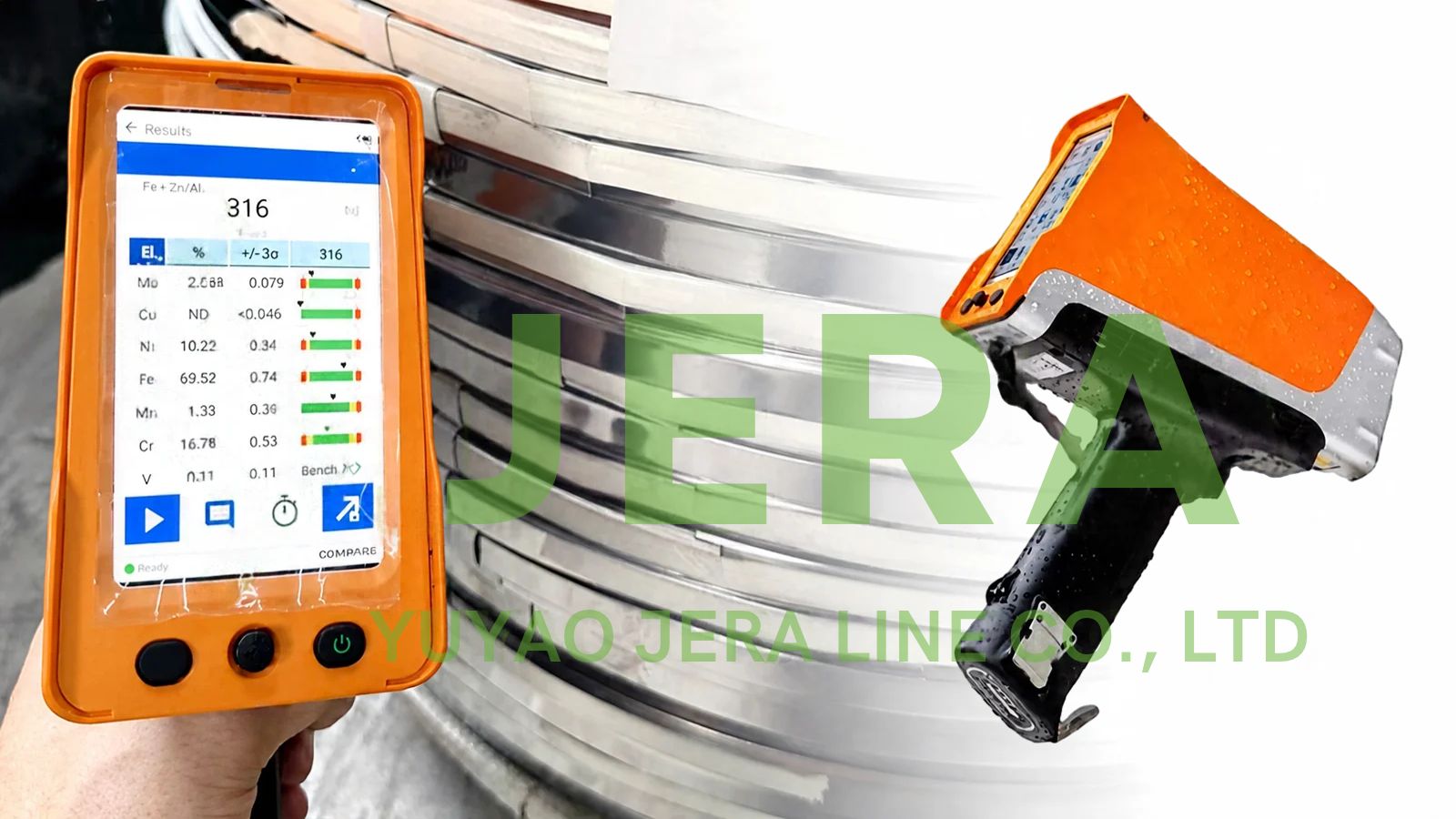
When purchasing these products, buyers should confirm band width, thickness, material grade, buckle compatibility, and corrosion-resistance requirements.
Sourcing related fastening components from one supplier may simplify product coordination and packaging arrangements.
Indoor FTTH Components
Indoor FTTH deployment requires products suitable for building environments and subscriber connections.
Depending on the network design, these may include indoor cables, termination boxes, patch cords, and other passive components.
JERA LINE's product range covers selected indoor and outdoor FTTH products, enabling customers to evaluate different components according to their project requirements.
Integrated Manufacturing Capabilities
Manufacturing capability is an important factor when evaluating a factory-direct supplier.
A manufacturer that controls several relevant production processes can coordinate different product categories more efficiently than a business that relies entirely on external suppliers. However, buyers should still confirm which processes are performed in-house for each specific product.
JERA LINE's factory information describes production capabilities covering fiber optic cables, plastic molding, CNC metal processing, metal press forming, helical wire products, and product assembly.
Fiber Optic Cable Production
Cable production requires control over the materials, construction, and manufacturing parameters specified for each product.
The exact processes vary according to the cable design, fiber count, strength members, and intended application.
In-house cable manufacturing provides a basis for discussing cable specifications and coordinating related production requirements directly with the factory.
Plastic Molding and Product Assembly
Plastic components are used in many FTTH accessories, including selected distribution boxes, clamps, and cable management products.
Molding capability can support the production of plastic components according to defined dimensions and design requirements.
Assembly operations bring different components together into finished products. Appropriate process controls and inspection help ensure that the assembled product matches the approved specifications.
Metal Processing and Forming
Metal processing is relevant to cable clamps, pole brackets, fastening components, and stainless steel accessories.
Different products may require cutting, forming, machining, or other manufacturing operations.
The relevant production processes depend on the product design, material, and required mechanical characteristics.
Coordination Across Product Categories
The availability of several manufacturing processes provides opportunities to coordinate related products and evaluate customization requests.
For buyers, the practical benefit is the ability to discuss a wider range of requirements with one factory.
For customized projects, the manufacturer should confirm the available processes, tooling needs, production capacity, and expected lead time before an order is finalized.
Quality Control for Consistent Product Performance
Factory-direct purchasing does not automatically guarantee product quality. A manufacturer's quality management process, product specifications, and inspection capabilities must also be evaluated.
For fiber optic infrastructure, quality control should reflect the requirements of the actual product.
JERA LINE describes a quality control process covering raw materials, semi-finished products, and finished products. Its website also lists in-house laboratory testing capabilities for selected mechanical, environmental, and optical performance requirements.
Competitive Procurement Through Factory-Direct Supply
For importers, distributors, and contractors, purchasing cost is an important factor in supplier selection.
However, the total cost of procurement involves more than the unit price. Packaging, freight, order coordination, product compatibility, and the potential cost of replacements can all affect the final project budget.
Factory-direct purchasing can provide opportunities to manage these factors more effectively.
Reduced Reliance on Intermediaries
Purchasing directly from a manufacturer can simplify the commercial relationship and make it easier to discuss technical requirements and production arrangements.
The final price advantage depends on the product, order quantity, customization requirements, and agreed commercial terms. Buyers should compare quotations on an equivalent basis rather than assuming that every factory-direct offer will automatically be cheaper.
Efficient Production and Product Coordination
JERA LINE's manufacturing model combines several production capabilities for fiber optic network products.
For customers sourcing related items, this can provide an opportunity to coordinate specifications, production planning, and packaging across product categories.
The actual lead time should be confirmed for each order, especially when multiple products have different production schedules.
Potential Logistics Savings
Purchasing several related products from one supplier may allow customers to consolidate shipments.
For example, a distributor purchasing fiber optic cables, cable clamps, brackets, and distribution boxes may be able to coordinate these products into one shipment when their production schedules and packaging requirements permit.
Consolidation may reduce duplicated handling and improve container utilization, although the final savings depend on shipment volume, product dimensions, destination, and freight arrangements.
Transparent Commercial Terms
Before placing an order, international buyers should confirm the product specifications, quantities, unit prices, payment terms, trade terms, packaging, and shipping arrangements.
For customized orders, tooling charges, sample fees, and development costs should also be clarified.
Clear commercial terms help both parties plan the order and avoid misunderstandings.
OEM and ODM Services for Customized Fiber Optic Products
Different markets have different technical and commercial requirements. Standard products may be suitable for many applications, while other projects need customized dimensions, configurations, branding, or packaging.
OEM and ODM services can help businesses evaluate these requirements with a manufacturing partner.
A Long-Term Manufacturing Partner, Not Just a One-Time Supplier
For many B2B buyers, the most valuable supplier relationship is one that supports recurring purchases and changing business needs.
A long-term manufacturing partnership depends on several factors.
Consistent Product Specifications
Approved drawings, samples, and technical documents provide a common reference for repeat orders.
Any changes to the product should be discussed and approved according to the agreed process.
Clear Communication
Timely communication about product questions, production schedules, and shipment arrangements helps buyers plan their business activities.
For customized orders, clear documentation is especially important because the final product may differ from a standard catalog item.
Practical Technical Cooperation
A manufacturer should help customers evaluate whether a product suits the intended application.
This may involve reviewing cable compatibility, product dimensions, materials, installation conditions, or customization feasibility.
After-Sales Support
When a customer reports a quality issue, useful information includes the product model, order reference, batch details, photographs, and a description of the problem.
These details help the supplier evaluate the issue and determine appropriate follow-up actions.
JERA LINE’s product quality, product guarantees, and long-term customer relationships on its official website. Buyers should review the applicable product guarantee terms when placing an order.
Conclusion: Work Directly with JERA FIBER for Your FTTH Projects
Building reliable fiber optic networks requires suitable products, consistent specifications, and dependable supply arrangements.
For international buyers, a factory-direct manufacturer can provide a more direct way to discuss technical requirements, coordinate related products, and evaluate customization possibilities.
JERA FIBER, operated by Yuyao Jera Line Co., Ltd., has manufactured FTTH and fiber optic network products since 2012. Its product range covers cables, distribution boxes, cable clamps, pole brackets, stainless steel banding systems, and other components used in indoor and outdoor fiber optic deployment.
With manufacturing capabilities, quality control processes, OEM services, and experience serving customers in international markets, JERA LINE provides a manufacturing partner for businesses evaluating their FTTH product sourcing options.
Whether you are a telecom distributor, fiber optic equipment importer, network contractor, or project purchasing manager, the right starting point is to define your product specifications, target quantities, and commercial requirements clearly.
Looking for a factory-direct manufacturer of FTTH and fiber optic network solutions?
Visit JERA LINE to explore the product portfolio and learn more about its manufacturing capabilities.
Contact the JERA LINE team with your inquiry to discuss product selection, technical specifications, OEM possibilities, and a quotation for your next project.
JERA FIBER welcomes opportunities to build long-term business relationships with partners seeking practical, cost-conscious solutions for fiber optic network deployment.