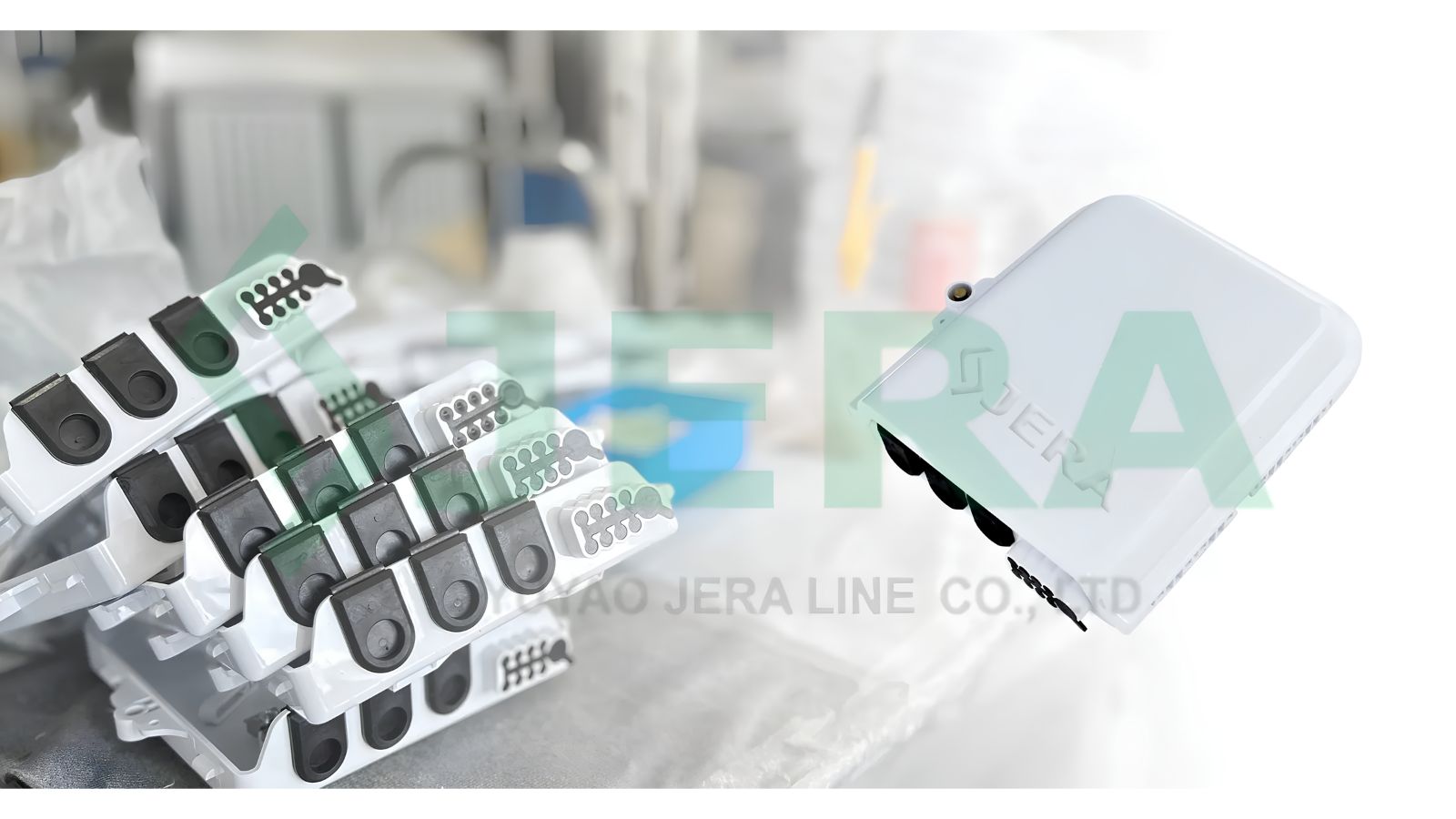
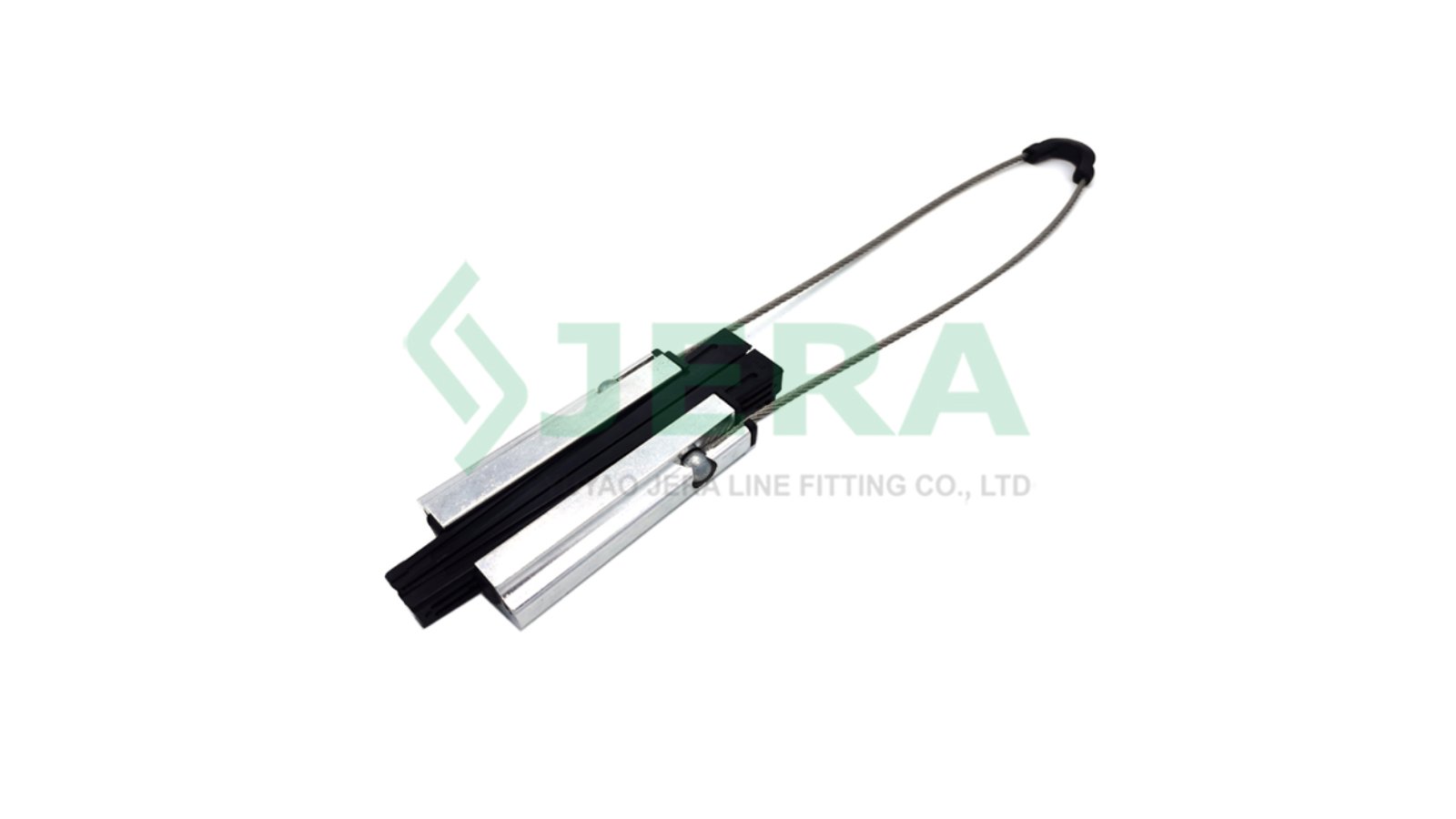
As fiber-to-the-home (FTTH) networks continue to expand worldwide, the demand for reliable fiber optic cables, distribution boxes, cable clamps, and installation accessories is increasing. Telecom operators, internet service providers (ISPs), network contractors, and distributors need products that deliver consistent performance under different installation and environmental conditions.
However, the quality of a fiber optic network depends on more than the optical cable itself. Every component, from a fiber optic connector to an outdoor distribution box or aerial cable clamp, plays a role in network installation, protection, and long-term operation.
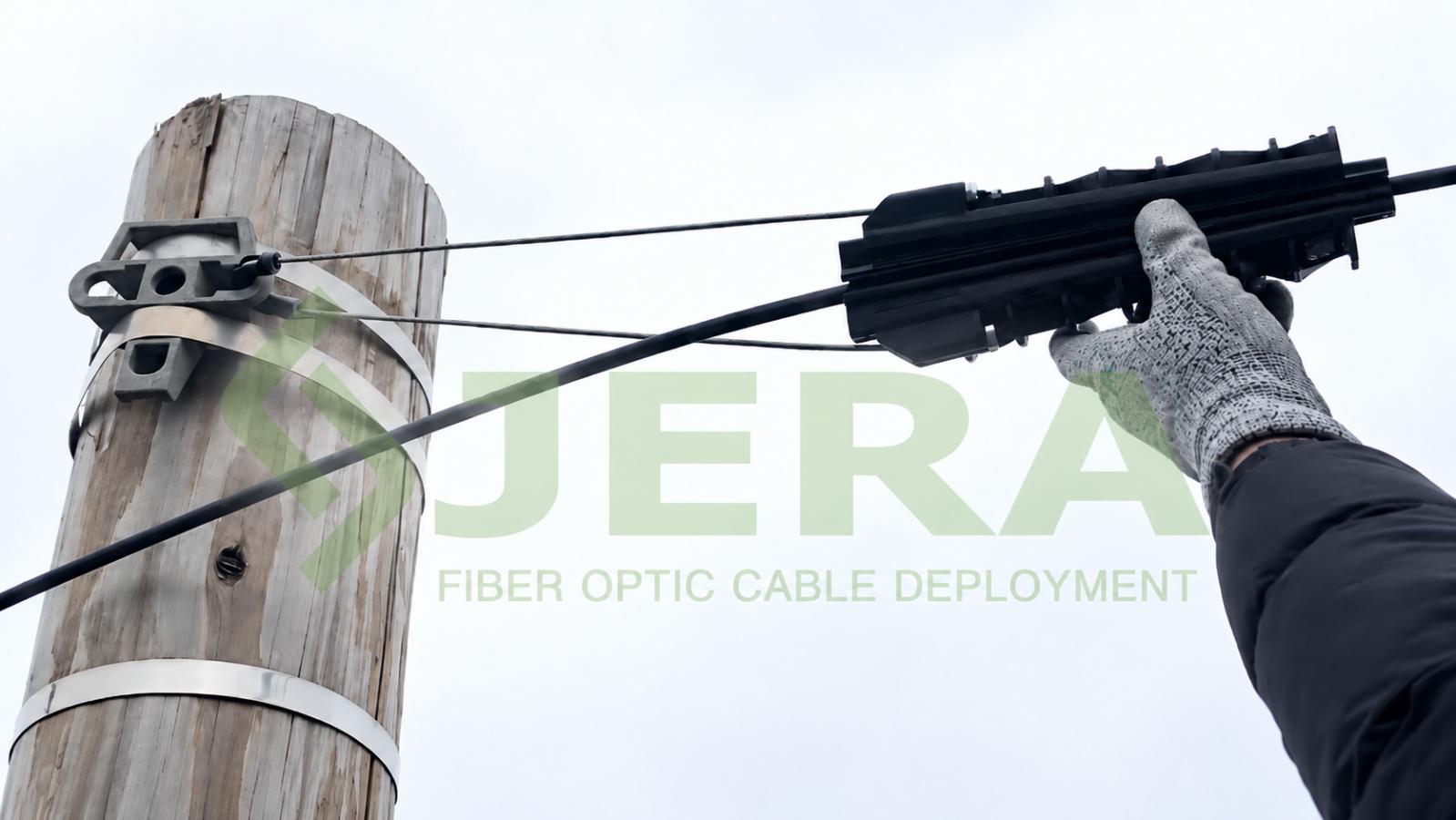
For example, an unsuitable cable clamp may affect cable retention, while a poorly manufactured distribution box may create difficulties during installation or fail to meet the required environmental protection level. In fiber optic communication systems, inconsistent connector performance can also affect optical transmission quality.
For these reasons, JERA LINE quality control for FTTH products and fiber optic accessories should cover the entire manufacturing process, from raw material selection to finished product inspection.
JERA FIBER, operating under JERA LINE, is a fiber optic accessories manufacturer based in Yuyao, Ningbo, China. Established in 2012, the company specializes in products for indoor and outdoor FTTH applications, including fiber optic cables, distribution boxes, cable clamps, pole brackets, stainless steel banding products, and related network components. JERA LINE describes its quality management approach and testing capabilities on its official website.
In this article, we explain how JERA FIBER approaches quality control, what types of testing are relevant to different fiber optic products, and why a structured quality management process matters when selecting a long-term manufacturing partner.
Raw Material Quality Control: Starting with the Right Materials
Product quality begins before manufacturing starts. Even a well-designed product can experience performance problems if the incoming materials do not meet the required specifications.
Raw material quality control is therefore an important part of the manufacturing process.
JERA LINE describes incoming material control as part of its quality management approach, including the selection of suppliers and the inspection of materials used in production.

1.Material Selection for Different Product Categories
Different fiber optic products require different materials according to their design and application.
For example:
Selecting the right material helps establish the foundation for the subsequent manufacturing and inspection stages.
2.Incoming Material Inspection
Before materials are used in production, relevant characteristics should be checked against the applicable purchasing specifications.
Depending on the material and product category, checks may include dimensions, appearance, material identification, supplier documentation, or other appropriate verification methods.
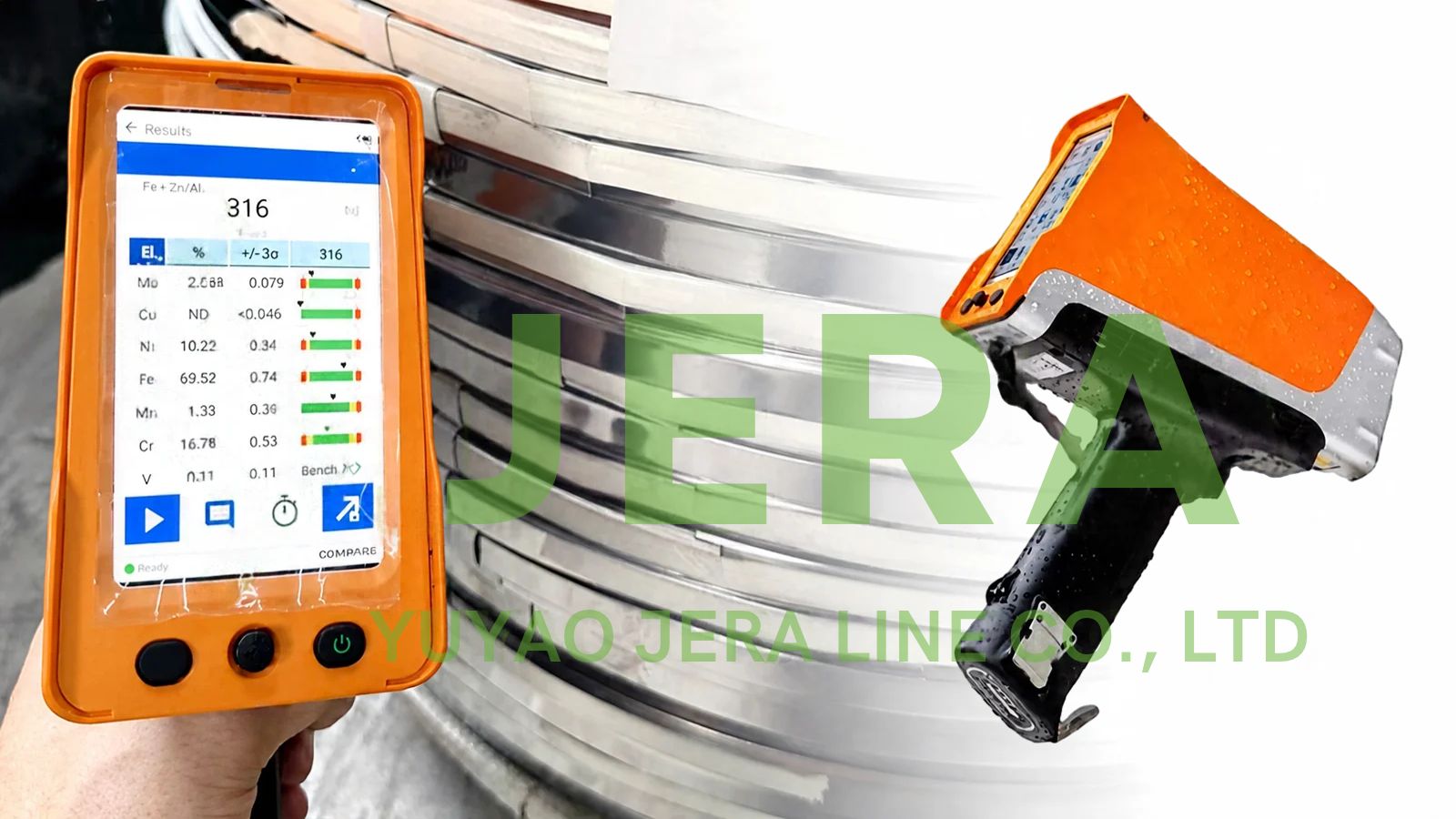
For metal components, material composition and mechanical characteristics may be important. For plastic components, dimensional stability and material suitability may require attention. For optical components, the relevant optical and dimensional requirements must be considered.
The specific inspection criteria should reflect the product's actual requirements rather than applying the same test to every material.
3.Supplier Quality Management
Reliable manufacturing also depends on the consistency of supplied materials.
Supplier selection, incoming inspection, and supplier performance monitoring can help manufacturers identify material-related risks before production begins.
For customers purchasing large quantities of FTTH accessories, this is an important consideration because variations in incoming materials can affect the consistency of finished products.
By incorporating raw material control into the production process, JERA LINE aims to identify potential quality issues at an early stage.
In-Process Quality Control: Monitoring Quality During Manufacturing
Raw material inspection is only the first step. Manufacturing processes must also be monitored to ensure that products meet their approved specifications.
In-process quality control helps identify defects before products reach the final inspection stage. This can reduce unnecessary rework and improve production consistency.
JERA LINE describes its in-process quality control activities as including production monitoring, equipment maintenance, material control, inspection standards, and checks of semi-finished products.
Dimensional and Structural Inspection
Many FTTH accessories depend on precise dimensions and structural characteristics.
For example, a cable clamp must be compatible with its specified cable diameter range. A mounting bracket must fit the intended installation arrangement, while a distribution box must provide the required internal space and component configuration.
Dimensional inspection can help verify whether critical product features meet the approved specifications.
Depending on the product, relevant checks may include length, width, thickness, hole position, component fit, or other defined dimensions.
For customized products, the approved drawing or sample should provide a clear reference for manufacturing and inspection.
Manufacturing Process Monitoring
Different product categories involve different manufacturing technologies.
Plastic injection molding, metal stamping, CNC machining, wire forming, assembly, and optical cable production each present different quality considerations.
For example, plastic components may require checks for dimensions, surface appearance, and molding defects. Metal components may require dimensional verification and inspection of forming or machining features. Assembled products may require checks to confirm that their components fit and function as intended.
Monitoring relevant process parameters and inspecting semi-finished products can help identify deviations before additional production steps are completed.
Consistency Between Production Batches
For distributors and telecom contractors, consistency between batches is particularly important.
A product purchased today should match the approved specifications used for a previous order, unless a change has been formally agreed.
Clear product specifications, inspection criteria, and production records help support repeatability. Where changes are necessary, they should be reviewed and confirmed before implementation.
For buyers planning long-term supply agreements, it is useful to discuss how the manufacturer manages product specifications and communicates any proposed changes.
Laboratory Testing: Evaluating Product Performance
Visual inspection and dimensional checks are important, but they cannot verify every aspect of product performance.
Depending on the product category, laboratory testing may be necessary to evaluate mechanical strength, environmental resistance, optical characteristics, or other technical requirements.
JERA LINE's official website describes an on-site laboratory with testing equipment covering several areas of fiber optic product quality. These include environmental, mechanical, material-related, and optical performance tests.
Mechanical Performance Testing
Mechanical performance is important for products used to support, secure, or protect cables.
Relevant testing may include:
For cable clamps and anchoring accessories, mechanical verification helps assess whether the product meets its specified performance requirements.
The appropriate test method and acceptance criteria depend on the product design, intended load, cable configuration, and applicable standards.
A clamp designed for a particular cable diameter or installation condition should not automatically be considered suitable for another application without appropriate verification.
Environmental Aging and Resistance Testing
FTTH products installed outdoors may be exposed to ultraviolet radiation, temperature changes, humidity, rain, and corrosive conditions.
Environmental testing helps evaluate selected product characteristics under defined conditions.
JERA LINE lists the following testing capabilities on its website:
These tests address different aspects of product performance. For example, corrosion testing may be relevant to metal accessories, while temperature and humidity cycling may be relevant to evaluating materials or components exposed to changing environmental conditions.
Test conditions should be selected according to the product specifications and intended market. Passing one environmental test does not automatically establish suitability for every climate or installation environment.
Optical Performance Testing
Optical performance is particularly important for fiber optic cables, connectors, adapters, patch cords, and related passive optical components.
Relevant measurements may include insertion loss, return loss, and fiber optic core reflection, depending on the product.
Insertion loss measures the optical power lost as light passes through a connection or component. Excessive insertion loss can reduce the available optical power budget.
Return loss describes the optical power reflected toward the source. It is an important parameter for evaluating certain optical connections and components.
Fiber optic core reflection testing helps evaluate reflection-related characteristics in applicable fiber optic products.
JERA LINE lists insertion loss, return loss, and fiber optic core reflection among its laboratory testing capabilities. The exact measurements and acceptance criteria depend on the product type and its specifications.
For buyers sourcing pre-terminated cables, connectors, or optical components, it is important to confirm which optical parameters are tested and what documentation is available for the products being purchased.
Finished Product Quality Control: Checking Before Shipment
Even when incoming materials and production processes are controlled, finished products still require appropriate final inspection.
Finished product quality control helps verify that the completed goods conform to the agreed requirements before shipment.
 JERA LINE identifies finished product inspection as a distinct stage in its quality control process.
Appearance and Workmanship Inspection
Visual inspection can identify defects that may affect product usability, assembly, or presentation.
Depending on the product, checks may include:
-
Visible cracks, deformation, or damage.
-
Surface defects and manufacturing irregularities.
-
Missing or incorrectly assembled components.
-
Labeling and model identification.
-
Packaging condition and product quantity.
For fiber optic distribution boxes, visual checks may also cover the enclosure, cover, mounting features, and visible cable entry components.
For metal accessories, the inspection may focus on forming quality, visible corrosion, burrs, or other characteristics specified for the product.
The acceptance criteria should be defined according to the product's intended use and agreed quality requirements.
Dimensional and Functional Verification
Finished products should be checked against the relevant specifications.
For cable clamps, this may involve confirming dimensions and compatibility with the specified cable range. For brackets, the focus may include mounting dimensions and component fit. For distribution boxes, inspection may cover the internal configuration, cable management features, and other specified functions.
For optical products, appropriate optical measurements may be required in addition to visual inspection.
Not every product requires the same inspection method. A reliable quality process uses criteria that are appropriate to the particular component.
Final Product Acceptance
Before a shipment is approved, the relevant inspection results should be evaluated against the agreed acceptance requirements.
For project orders, buyers may wish to confirm inspection procedures, sampling plans, required reports, and any pre-shipment inspection arrangements before production begins.
This is particularly useful for customized orders, where the approved sample and technical specifications may contain customer-specific requirements.
Clear acceptance criteria help both the manufacturer and buyer understand what is expected before goods are released for shipment.
ISO 9001:2015 Quality Management
ISO 9001:2015 specifies requirements for a quality management system. It focuses on structured processes, customer requirements, process monitoring, and continual improvement.
A quality management system provides a framework for managing manufacturing activities, but it is not the same as a product-specific performance certificate.
When ISO 9001 certification is a purchasing requirement, buyers should verify the certificate's validity, scope, and issuing organization.

Product-Specific Testing Requirements
Different products may require different technical verification methods.
For example, optical cables, mechanical cable clamps, stainless steel bands, and fiber optic distribution boxes do not share identical performance requirements.
The manufacturer and customer should identify the relevant product specifications and testing criteria before production.
This is particularly important for telecom projects with formal technical approvals, tender requirements, or destination-market regulations.
Documentation and Traceability
Depending on the order, useful quality documentation may include approved drawings, product specifications, inspection records, applicable test reports, and material documentation.
For customized products, maintaining clear records of the approved design and any changes can help prevent confusion during repeat orders.
Customers should specify which documents are required before placing the order so that the manufacturer can confirm their availability and scope.
Conclusion: Reliable Quality Starts with a Structured Manufacturing Process
Reliable FTTH networks depend on products that meet their intended technical and installation requirements. From optical cables and connectors to distribution boxes, drop cable clamps, aerial accessories, and stainless steel fastening products, each component requires appropriate material selection, manufacturing controls, and product-specific inspection.
JERA LINE, approaches product quality through a combination of raw material control, in-process inspection, finished product verification, laboratory testing capabilities, and continuous improvement.
For customers evaluating a fiber optic accessories manufacturer, understanding these processes can provide a clearer basis for comparing suppliers and defining purchasing requirements.
The most effective quality assurance strategy combines accurate product specifications, appropriate testing, clear acceptance criteria, and ongoing communication between the manufacturer and customer.