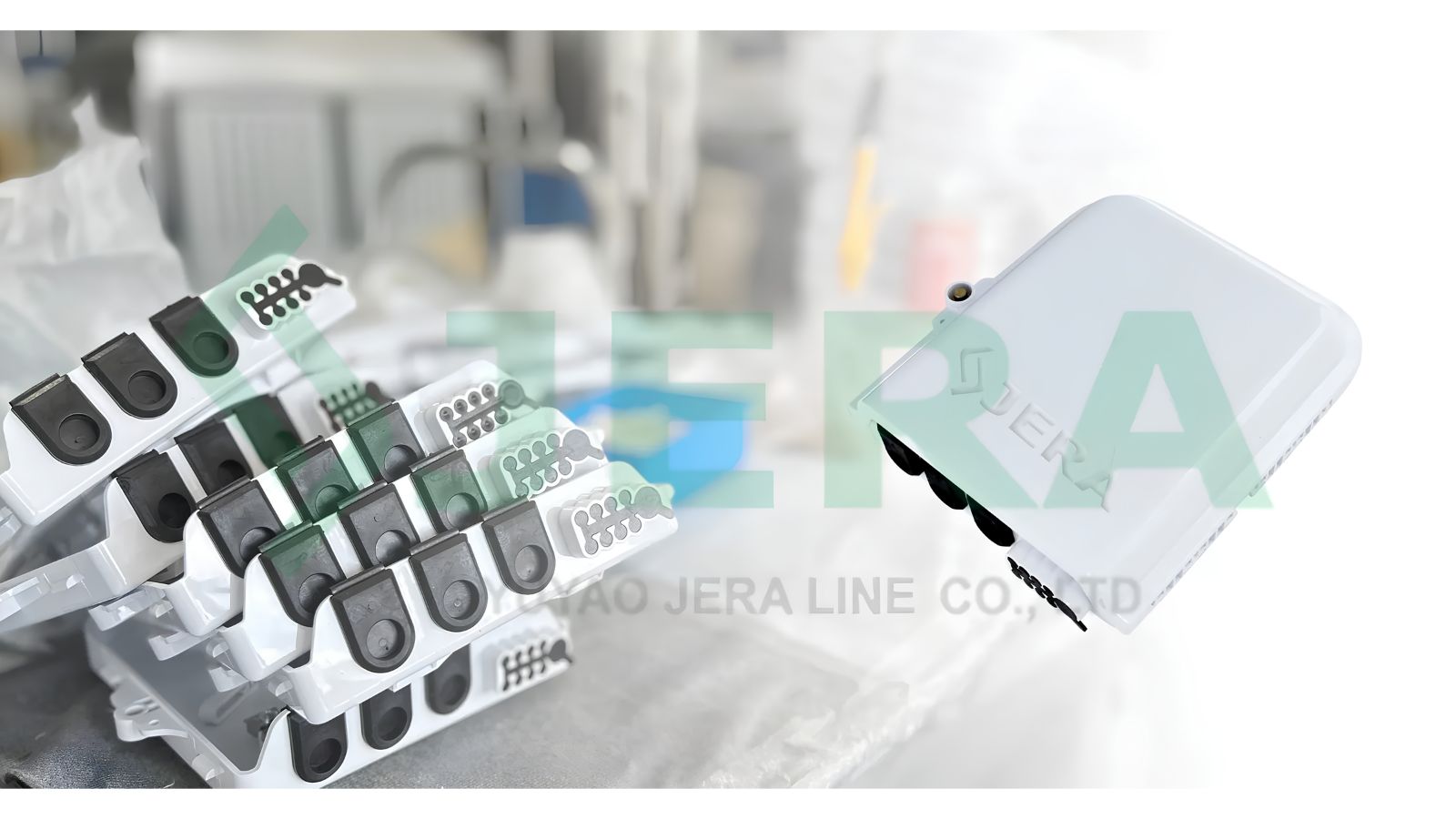
As fiber optic networks continue to expand around the world, the demand for reliable and durable fiber access equipment is growing rapidly. Among the many components used in FTTH, FTTx, and GPON networks, the Caja Terminal Acceso Óptico, also known as an optical access terminal box, fiber optic termination box, fiber distribution box, or FTTH terminal box, plays an important role in the last-mile connection between the distribution network and end users.
A well-designed optical access terminal box provides a secure location for fiber termination, splicing, splitting, and distribution. It also protects sensitive optical fibers and components from moisture, dust, mechanical damage, ultraviolet radiation, and other environmental conditions.
However, choosing the right product is only part of the challenge. For network operators, distributors, system integrators, and telecommunications contractors, choosing a reliable Caja Terminal Acceso Óptico manufacturer is equally important.

Different manufacturers may offer products that look similar but differ significantly in material quality, sealing performance, manufacturing consistency, customization capabilities, testing procedures, and long-term reliability.

1. Product Quality and Material Selection
The first and most important factor is product quality.
A Caja Terminal Acceso Óptico is often installed in outdoor environments where it may be exposed to rain, humidity, dust, sunlight, temperature changes, wind, vibration, and mechanical impact. Therefore, the quality of the materials used in the enclosure and internal components directly affects the service life of the entire fiber network.
A reliable manufacturer should carefully select materials according to the intended application.
For outdoor fiber distribution boxes, commonly used materials include high-quality engineering plastics such as PC, ABS, PC+ABS, or other UV-resistant materials. The material should provide sufficient mechanical strength while maintaining dimensional stability under temperature changes.
The enclosure should also be designed to resist:
-
UV radiation
-
Rain and moisture
-
Dust
-
Corrosion
-
Mechanical impact
-
Temperature fluctuations
-
Long-term outdoor exposure
Material selection becomes especially important for installations in harsh environments.
For example, a fiber termination box installed on an outdoor pole in a tropical region may experience high humidity, strong sunlight, and heavy rainfall. In contrast, a box installed in a cold region may need to withstand freezing temperatures and repeated thermal cycling.
A reliable manufacturer should therefore be able to explain why a specific material is selected, rather than simply providing a product based on appearance or low cost.
Why Material Quality Matters
Low-quality plastic may become brittle after prolonged exposure to ultraviolet radiation. Poorly designed covers may deform after temperature changes. Weak mounting components may also fail under mechanical stress.
These problems may not be visible immediately after installation. They can appear months or years later, when maintenance becomes expensive and network downtime becomes a serious issue.
Therefore, when evaluating a Caja Terminal Acceso Óptico manufacturer, always ask about:
-
Enclosure material
-
UV resistance
-
Mechanical strength
-
Operating temperature
-
Environmental resistance
-
Material certifications
-
Long-term outdoor performance
A professional manufacturer should be able to provide clear technical specifications and relevant test information.
2. Waterproof and Environmental Protection Performance
For outdoor FTTH and FTTx networks, environmental protection is one of the most critical factors.
A Caja Terminal Acceso Óptico may be installed on poles, walls, buildings, communication cabinets, or other outdoor structures. If water enters the enclosure, it can affect fiber splices, adapters, PLC splitters, connectors, and other components.
Moisture can eventually lead to:
-
Fiber connector contamination
-
Corrosion
-
Optical attenuation
-
Component failure
-
Reduced network reliability
-
Increased maintenance costs
This is why many outdoor fiber distribution boxes are designed with high IP protection ratings.
For example, IP65, IP66, IP67, and IP68 are commonly considered when evaluating outdoor enclosures, depending on the installation environment and product design.
An IP68 optical terminal box can provide a higher level of protection against dust and water ingress when properly designed and tested.
However, buyers should not judge waterproof performance simply by looking at an IP rating printed on a datasheet.
The manufacturer should be able to explain how the enclosure achieves its environmental protection.
Important design elements may include:
-
Rubber sealing gaskets
-
Cable entry sealing
-
Waterproof cable glands
-
Proper enclosure structure
-
Sealed splice areas
-
Reliable locking mechanisms
-
UV-resistant materials
-
Water-resistant internal components
For example, a rubber-sealed enclosure can help prevent water from entering through the joint between the cover and the body. Cable entry points should also be properly sealed because they can become potential paths for water and dust.
Ask for Test Evidence
When selecting a manufacturer, ask whether the product has undergone environmental protection testing.
A professional supplier should be willing to provide relevant test reports, technical specifications, or samples for evaluation.
This is particularly important when the optical terminal box will be used in:
-
FTTH outdoor networks
-
Rural broadband networks
-
Pole-mounted installations
-
Smart city infrastructure
-
5G fiber backhaul
-
GPON networks
-
Harsh outdoor environments
A product that performs well in a laboratory or indoor environment may not necessarily perform well after years of outdoor exposure.
3. Manufacturing Experience and Production Capability
Another important factor is the manufacturer's actual manufacturing experience.
The optical communication industry requires precision, consistency, and process control. A manufacturer may have an attractive product catalog, but that does not necessarily mean it has strong production capabilities.
A reliable Caja Terminal Acceso Óptico manufacturer should have:
-
Dedicated production facilities
-
Experienced engineering teams
-
Stable production processes
-
Quality control procedures
-
Mold development capabilities
-
Assembly lines
-
Testing equipment
-
Experienced workers
-
Reliable raw material suppliers
Manufacturing experience is particularly important when customers require customized products.
For example, an operator may need a fiber distribution box with a specific number of fiber ports, customized splitter configuration, special cable entry structure, or a particular mounting method.
An experienced manufacturer should be able to evaluate the requirements, modify the design, create or adjust tooling if necessary, and produce samples before mass production.
Manufacturing Consistency Is Critical
One of the most overlooked issues in fiber optic accessories is consistency.
A sample may look perfect, but if the manufacturer cannot maintain consistent dimensions and assembly quality during mass production, problems may occur during installation.
For example:
-
Cover dimensions may vary
-
Cable entry holes may not align correctly
-
Locking mechanisms may become difficult to operate
-
Internal trays may not fit correctly
-
Mounting accessories may have dimensional deviations
These problems can increase installation time and create unnecessary costs.
Therefore, buyers should evaluate not only whether a manufacturer can produce a good sample, but also whether it can repeatedly produce the same quality at scale.
4. Product Testing and Quality Control
A reliable optical terminal box manufacturer should have a structured quality control system.
Quality control should cover the entire manufacturing process, from incoming raw materials to final product inspection.
A typical quality control process may include:
-
Incoming Material Inspection
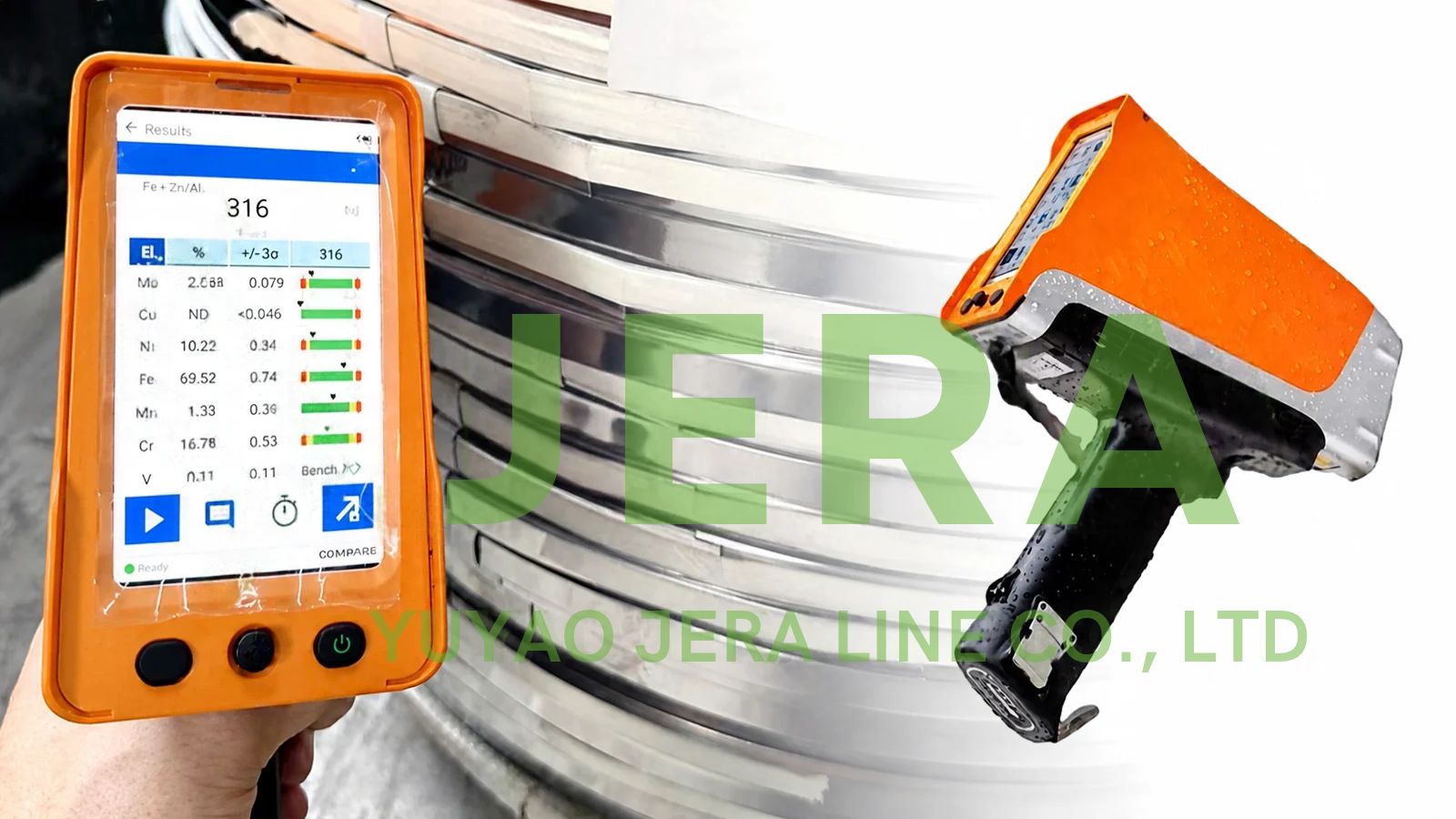
Raw materials such as plastic components, stainless steel parts, rubber seals, screws, and fiber optic components should be checked before entering production.
-
In-Process Inspection
During assembly, workers and quality inspectors should verify important dimensions, component positions, sealing structures, and assembly procedures.
-
Final Product Inspection
Finished products should undergo visual and functional inspections before shipment.
Depending on the product, testing may include:
-
Mechanical strength testing
-
Temperature cycling
-
UV resistance testing
-
Waterproof testing
-
Dust protection testing
-
Cable retention testing
-
Impact testing
-
Installation testing
-
Optical performance testing
A manufacturer with a mature quality management system should also maintain inspection records and traceability.
For international customers, certifications and standards can also be important.
For example, manufacturers may work according to quality management systems such as ISO 9001:2015, while specific fiber optic products may be evaluated according to relevant IEC or EN standards depending on their application.
However, certification alone should not be the only selection criterion.
A certificate provides useful information about a company's quality management system, but buyers should also look at the manufacturer's actual production experience, testing capabilities, product performance, and customer references.
5. Customization and Engineering Support
Different countries and network operators often have different requirements.
One customer may require a compact 4-core terminal box for residential FTTH deployment, while another may need a larger optical distribution box supporting multiple fibers and PLC splitters.
Therefore, customization capability is a major advantage when choosing a manufacturer.
A capable Caja Terminal Acceso Óptico manufacturer should be able to support customization in areas such as:
-
Fiber capacity
-
Number of adapters
-
Cable entry ports
-
Drop cable ports
-
PLC splitter configuration
-
Splice tray design
-
Mounting method
-
Logo and marking
-
Packaging
-
Color
-
Accessories
-
Product dimensions
Engineering support is also important.
Suppose a customer provides a technical drawing with specifications that are difficult to manufacture. A professional engineering team should be able to identify potential problems and recommend practical alternatives.
This can help customers avoid unnecessary tooling costs and production delays.
For distributors and telecom brands, OEM and ODM capabilities can be especially valuable.
A manufacturer with OEM/ODM experience can provide products under the customer's brand and help develop products according to specific market requirements.
This allows distributors to build a more complete product portfolio without investing heavily in their own manufacturing facilities.
6. Product Portfolio and One-Stop Supply Capability
Another factor worth considering is the manufacturer's overall product portfolio.
A reliable supplier that specializes in fiber optic infrastructure should ideally provide more than one type of terminal box.
For example, a complete FTTH product portfolio may include:
-
Optical access terminal boxes
-
Fiber distribution boxes
-
Fiber splice closures
-
FTTH termination boxes
-
PLC splitter boxes
-
Fiber optic patch cords
-
Drop cable accessories
-
ADSS suspension clamps
-
ADSS tension clamps
-
Pole line hardware
-
Stainless steel banding systems
-
Fiber optic cable accessories
Why Does This Matter?
Because customers can reduce the number of suppliers involved in a project.
Working with one experienced manufacturer can simplify:
-
Product sourcing
-
Technical communication
-
Quality control
-
Packaging
-
Documentation
-
Shipping
-
After-sales service
It can also help ensure better compatibility between different components.
For example, a manufacturer that produces both optical distribution boxes and fiber optic cable accessories may have a better understanding of how the products work together in real FTTH installations.
This can be especially valuable for large-scale projects where hundreds or thousands of optical access boxes and related accessories are required.
Why Manufacturer Selection Matters for FTTH Projects
FTTH networks are designed to operate for many years.
Once an optical terminal box is installed on a pole, building, or wall, replacing it can be inconvenient and expensive.
Maintenance may require:
-
Technicians
-
Access equipment
-
Traffic management
-
Fiber testing
-
Network interruption
-
Replacement components
Therefore, the initial quality of the optical terminal box can have a direct impact on long-term operating costs.
A reliable manufacturer understands this.
Instead of focusing only on producing an inexpensive enclosure, a professional manufacturer focuses on:
Protection + Installation + Reliability + Compatibility + Long-Term Performance
This approach provides greater value to network operators and installers.
Why Work with an Experienced FTTH Manufacturer?
For customers purchasing optical access terminal boxes internationally, working directly with an experienced manufacturer can provide several advantages.
First, communication is usually more direct.
Instead of communicating through multiple trading companies, customers can discuss technical requirements directly with engineers and sales teams.
Second, customization becomes easier.
The manufacturer can evaluate drawings, provide recommendations, develop samples, and make production adjustments.
Third, quality control is more transparent.
Customers can request information about raw materials, production processes, testing procedures, and quality management.
Finally, long-term cooperation can be developed.
For telecom distributors and contractors, having a stable manufacturing partner can be much more valuable than repeatedly searching for the lowest quotation.
Conclusion
Choosing a reliable Caja Terminal Acceso Óptico manufacturer is an important decision for any FTTH, FTTx, GPON, or outdoor fiber network project.
The right manufacturer should provide more than a good-looking product at a competitive price.
You should evaluate at least these eight key factors:
-
Product quality and material selection
-
Waterproof and environmental protection
-
Manufacturing experience and production capability
-
Product testing and quality control
-
Customization and engineering support
-
Product portfolio and one-stop supply capability
-
Delivery capability and supply chain stability
-
Communication, technical support, and after-sales service
A reliable optical access terminal box should protect fiber optic connections while making installation, maintenance, and future network expansion easier.
More importantly, the manufacturer behind the product should have the experience, engineering capabilities, production capacity, quality management, and customer support necessary to support the entire project lifecycle.
For distributors, telecom operators, system integrators, and FTTH contractors, choosing the right manufacturer is therefore not simply a purchasing decision. It is a long-term investment in network reliability.
With the right manufacturing partner, a Caja Terminal Acceso Óptico can become more than just a protective enclosure. It can be an important part of building a reliable, scalable, and future-ready fiber optic access network.




.png)