


.png)




Fiber-to-the-Home (FTTH) technology has become an essential part of modern telecommunications infrastructure. As demand for high-speed internet, reliable data transmission, and stable broadband connections continues to grow, telecom operators, internet service providers (ISPs), contractors, and distributors are investing in fiber optic networks to support residential, commercial, and industrial applications.
However, building a reliable FTTH network requires more than high-quality fiber optic cables. Every component installed throughout the network contributes to its overall performance, installation efficiency, and long-term reliability. Fiber optic distribution boxes, cable clamps, anchoring accessories, suspension clamps, stainless steel bands, buckles, and other installation hardware all play important roles in protecting and securing fiber optic cables.
This is why selecting an experienced FTTH fiber optic accessories manufacturer is an important decision for telecommunications projects.
JERA FIBER, operating under JERA LINE, specializes in the manufacturing of fiber optic network accessories and related products for FTTH and outdoor fiber optic cable deployment. With in-house production capabilities, product development experience, and a focus on quality control, JERA FIBER supports customers looking for practical, reliable, and cost-effective solutions for fiber optic infrastructure.
In this article, we will explore the key factors to consider when selecting an FTTH accessories supplier and explain why JERA FIBER can be a valuable manufacturing partner for telecom distributors, network contractors, and fiber optic equipment buyers worldwide.
1. In-House Manufacturing for Better Quality and Production Control
One of the most important considerations when choosing a fiber optic accessories manufacturer is its actual production capability.
Some suppliers primarily operate as trading companies, sourcing products from different factories. Although this business model may be suitable for certain purchasing requirements, it can make it more difficult to maintain consistent product specifications, coordinate customization, and manage production schedules across multiple suppliers.
Working directly with a manufacturer offers several practical advantages.
Greater Control Over Production Processes
JERA FIBER emphasizes in-house manufacturing, with more than 95% of its production processes handled internally. This manufacturing approach helps the company maintain closer control over product quality, production consistency, and manufacturing procedures.
For customers purchasing FTTH accessories in bulk, consistency is essential. Cable clamps supplied for the same project should maintain the required dimensions, material characteristics, and installation performance. Distribution boxes should be manufactured according to agreed specifications, while metal accessories should meet the relevant requirements for strength, corrosion resistance, and durability.
By maintaining control over key production processes, JERA FIBER can better coordinate manufacturing activities and respond to customer requirements.
More Efficient Communication
Direct communication with a manufacturer can also simplify technical discussions.
When customers need to confirm cable diameter ranges, installation methods, material options, packaging details, or customized dimensions, communicating with the production team helps reduce misunderstandings and unnecessary delays.
For example, a telecom contractor may require an anchoring clamp suitable for a specific round fiber optic cable diameter. A distributor may need a particular distribution box configuration for an existing product range. By discussing these requirements directly with the manufacturer, customers can determine whether an existing product is suitable or whether further evaluation is necessary.
For B2B buyers, a reliable manufacturing partner should provide more than a price list. It should also understand the technical requirements behind the products.
2. A Comprehensive Range of FTTH Fiber Optic Accessories
FTTH networks consist of several interconnected sections, from feeder and distribution networks to the final connection at the subscriber's premises. Different sections require different accessories according to the cable design, installation environment, and network architecture.
Choosing a supplier with a broad product portfolio can simplify procurement and improve coordination between different components.
JERA FIBER manufactures a range of fiber optic accessories designed for outdoor and indoor FTTx deployment.
Fiber Optic Distribution Boxes
Fiber optic distribution boxes provide an organized enclosure for fiber termination, splicing, splitting, and cable management, depending on the specific design.
These products are used in various FTTH network locations, including buildings, poles, walls, and other distribution points.
When selecting a fiber optic distribution box, buyers should consider several factors:
- Required fiber core capacity and adapter configuration.
- Compatibility with PLC splitters and other optical components.
- Cable entry and exit arrangements.
- Available mounting methods.
- Environmental protection requirements.
- Splicing space and fiber routing design.
- Material durability and installation conditions.
JERA FIBER offers fiber optic terminal and distribution box solutions for different network deployment requirements. Customers can discuss their required capacity, configuration, and application with the technical team before confirming an order.
Fiber Optic Cable Clamps
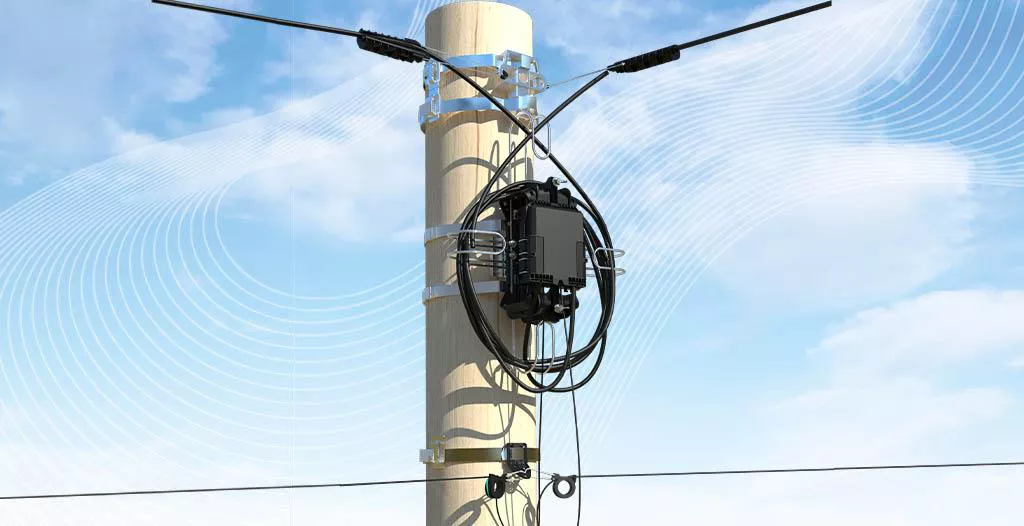
Fiber optic cable clamps are essential accessories for securing aerial cables and maintaining their mechanical stability.
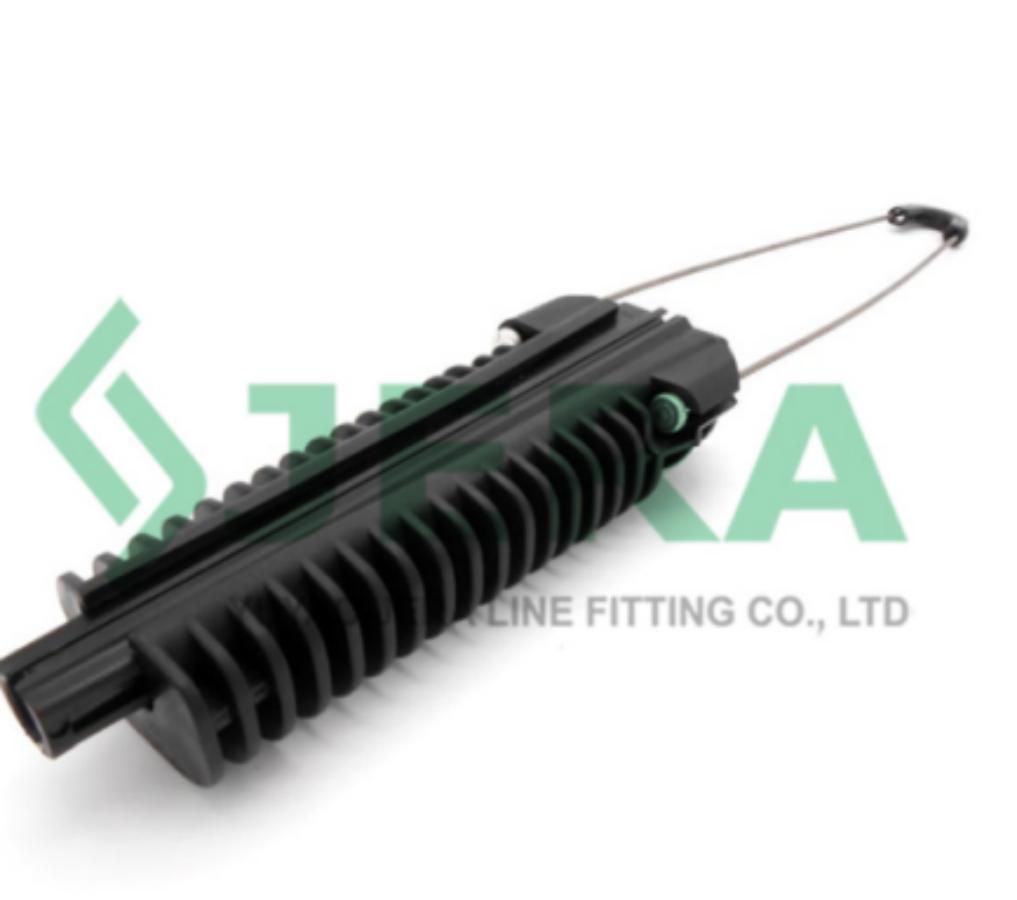
Different installation conditions require different clamp designs. For example, anchoring clamps are commonly used to secure suitable cables at dead-end points, while suspension clamps support cables along intermediate sections of an aerial route.
Selecting the correct clamp requires careful attention to cable diameter, cable construction, span length, installation tension, and the recommendations of the cable and hardware manufacturers.
JERA FIBER offers several types of cable clamps for outdoor fiber optic cable deployment, including selected FTTH drop cable clamps and ADSS cable accessories.
A properly selected clamp can help maintain the intended cable position and reduce the risk of installation problems caused by unsuitable hardware. Buyers should always verify the product's compatible cable range and mechanical ratings before installation.
Aerial Fiber Optic Accessories
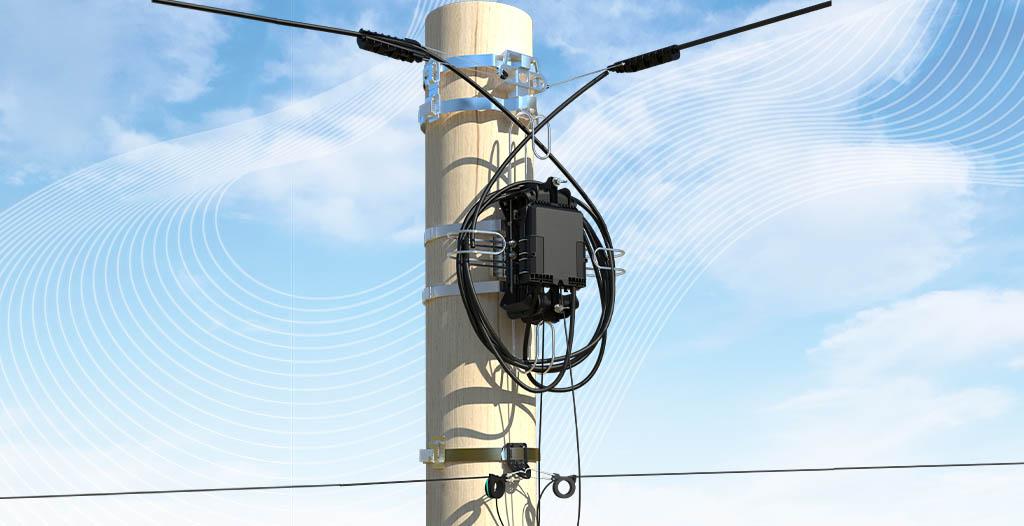
Aerial fiber optic networks require suitable hardware to attach cables to poles, secure cable routes, and manage slack cable sections.
Depending on the network design, commonly used accessories include:
- Fiber optic cable anchoring clamps.
- Suspension clamps.
- Pole brackets and cable support brackets.
- Cable slack storage accessories.
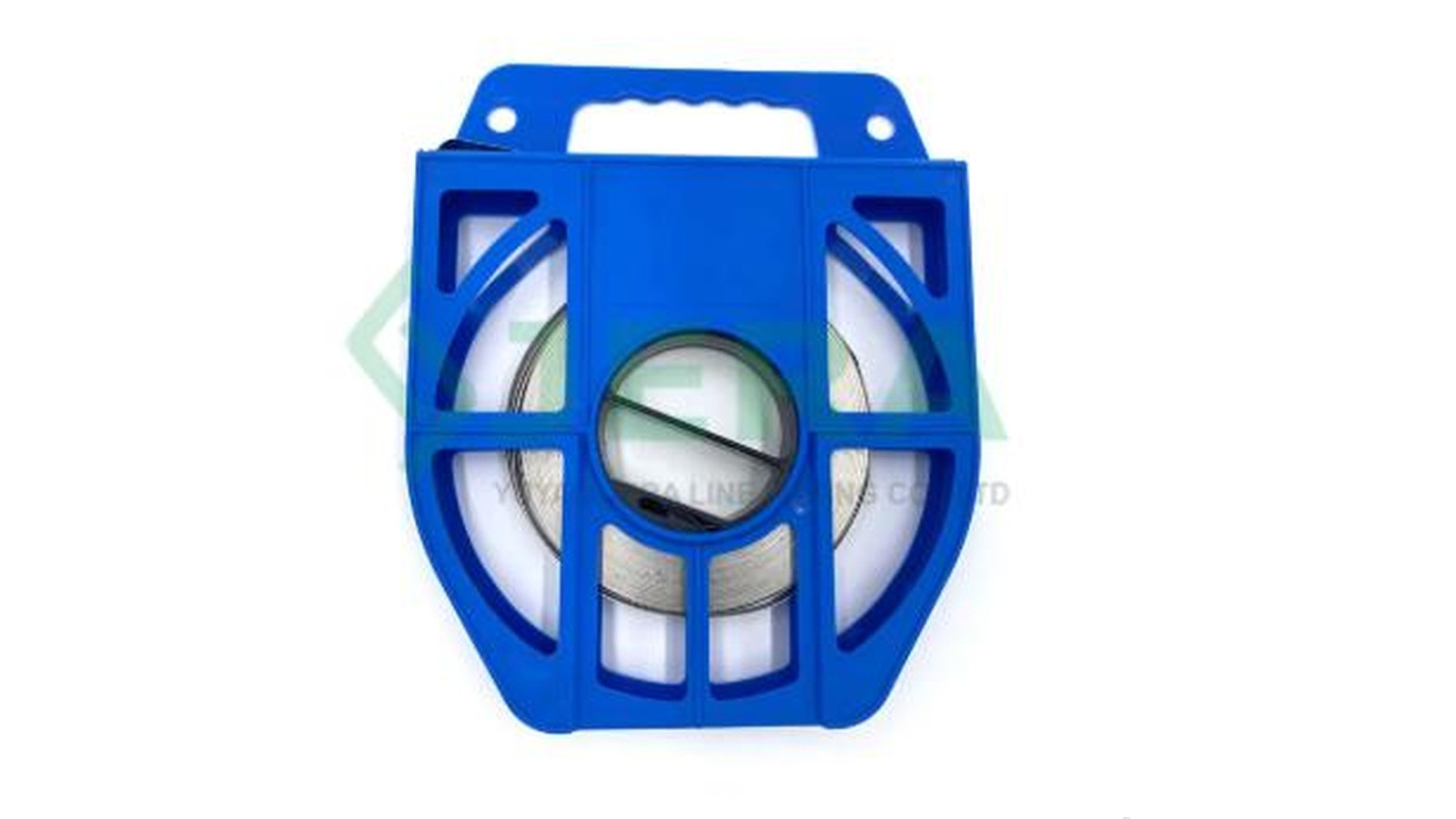
- Stainless steel straps and buckles.
- Other pole-line installation hardware.
These accessories support the practical installation and maintenance of overhead fiber optic networks.
By sourcing compatible products from a manufacturer familiar with aerial fiber optic deployment, telecom contractors and distributors can simplify product selection and purchasing coordination.
PLC Splitters and Related Passive Components
Optical distribution networks may also require passive optical components, including planar lightwave circuit (PLC) splitters.
PLC splitters divide an optical signal into multiple output paths and are commonly used in passive optical networks. Their selection depends on the required splitting ratio, connector configuration, insertion loss, return loss, operating wavelength, and application requirements.
For buyers sourcing both optical distribution products and installation accessories, confirming product specifications and compatibility before ordering helps reduce integration risks.
A broad product portfolio can therefore provide additional convenience for customers managing multiple purchasing categories within the same FTTH project.
3. Quality Control for Reliable Fiber Optic Network Deployment
Product quality is a critical consideration in telecommunications infrastructure. Once fiber optic accessories are installed in the field, replacing defective or unsuitable components can require additional labor, transportation, maintenance, and network downtime.
For this reason, quality should be evaluated before purchasing, rather than only after products arrive at the project site.
Material Selection
The materials used in fiber optic accessories directly influence their mechanical properties, environmental resistance, and service performance.
For example, metal clamps and fastening components must be manufactured using materials appropriate for the intended mechanical load and operating environment. Plastic distribution boxes require suitable material properties for their installation conditions, while stainless steel bands and buckles must be selected according to the project's corrosion-resistance requirements.
The appropriate material depends on the application. Buyers should confirm the specified material grade, applicable standards, and environmental requirements instead of assuming that all products with a similar appearance have equivalent performance.
Dimensional Accuracy and Product Consistency
Cable clamps, brackets, and other installation accessories must fit their intended applications.
A clamp designed for one cable diameter may not be suitable for a different cable size. Incorrect dimensions can affect installation, cable retention, or mechanical performance.
Consistent manufacturing processes and appropriate inspections help reduce dimensional variation and improve repeatability between production batches.
For large orders, customers should confirm approved drawings, samples, product specifications, and inspection requirements before mass production.
Testing and Verification
Depending on the product category, relevant quality verification may include dimensional inspection, material verification, mechanical performance testing, environmental testing, and functional checks.
Not every test applies to every product. For example, mechanical load testing is relevant to load-bearing cable accessories, while enclosure protection and sealing requirements are particularly important for outdoor distribution boxes.
JERA LINE operates under an ISO 9001:2015 quality management system. Customers with specific project requirements can request relevant product specifications, available test documentation, and quality information for review.
It is important to distinguish between a company's quality management certification and individual product approvals. Buyers should verify the scope, validity, and applicability of any certificate or test report required for their project.
4. A Factory-Direct Partner for Competitive Procurement
For distributors, wholesalers, telecom contractors, and project buyers, purchasing costs directly affect profitability and project budgets.
However, the lowest quoted unit price does not always represent the lowest overall cost. Product quality, packaging, transportation, installation efficiency, and replacement requirements can all influence the total cost of ownership.
Working directly with an FTTH accessories manufacturer can help customers evaluate costs more effectively.
Reduced Dependence on Intermediaries
Purchasing directly from a manufacturer can simplify the supply chain and provide clearer communication regarding product specifications, production arrangements, and commercial terms.
It can also make it easier to discuss volume requirements, packaging preferences, and repeat-order planning.
As a factory-based supplier, JERA FIBER works with international customers seeking fiber optic accessories for distribution, installation, and telecommunications projects.
Flexible Purchasing for Different Business Needs
Different customers have different purchasing patterns.
A distributor may need recurring shipments of several standard products. A contractor may require a defined quantity for a specific network project. A new customer may prefer to evaluate samples before placing a larger order.
JERA FIBER can discuss purchasing arrangements according to product availability, manufacturing requirements, and the customer's order plan.
For qualified projects, sample evaluation can help customers confirm product dimensions, material appearance, installation compatibility, and other relevant requirements before proceeding with bulk purchasing.
Focus on Total Procurement Value
A competitive supplier should help buyers balance price, quality, delivery, and service.
For example, a slightly different clamp design may not be suitable even if it is less expensive. Similarly, a distribution box that lacks the necessary cable entry arrangement may require additional modification during installation.
By reviewing technical requirements before ordering, buyers can reduce avoidable purchasing mistakes and improve procurement efficiency.
5. OEM and Customization Support for Different Markets
Telecommunications projects often involve different technical specifications, local standards, installation practices, and customer preferences.
A standard product may be sufficient for some applications, while others require adjustments to dimensions, materials, configurations, branding, or packaging.
For this reason, OEM and customization capabilities are valuable considerations when choosing a fiber optic accessories manufacturer.
6. Experience Supporting International Customers
An FTTH accessories supplier serving international markets must understand more than manufacturing. Communication, documentation, packaging, order coordination, and export arrangements are also important parts of the purchasing process.
JERA LINE was established in 2012 and has developed experience in manufacturing fiber optic cable accessories and related products for customers in multiple countries.
This experience provides a foundation for working with different types of B2B customers, including telecom distributors, network contractors, wholesalers, and project purchasing teams.
7. Suitable Solutions for Multiple FTTH Deployment Scenarios
FTTH networks can be installed in residential communities, apartment buildings, commercial developments, industrial areas, rural communities, and other environments.
Each application presents different challenges related to cable routing, mounting, environmental exposure, and installation access.
Why Partner with JERA FIBER for Your Next FTTH Project?
Selecting the right manufacturer can make a meaningful difference to procurement efficiency and project coordination.
JERA FIBER combines manufacturing experience, in-house production capabilities, a range of fiber optic accessories, and support for international B2B customers.
Key reasons to consider JERA FIBER include:
1. Established manufacturing experience: JERA LINE was established in 2012 and focuses on fiber optic cable accessories and related deployment products.
2. In-house production capability: More than 95% of production processes are handled internally, supporting closer control over manufacturing activities.
3. Broad product selection: Customers can source selected fiber optic distribution boxes, cable clamps, aerial accessories, stainless steel fastening products, and related components.
4. Quality management: JERA LINE operates under an ISO 9001:2015 quality management system and can discuss relevant product documentation according to customer requirements.
5. OEM and customization support: Depending on product feasibility, the company can evaluate customer-specific requirements involving product configuration, materials, labeling, and packaging.
6. International B2B experience: JERA LINE works with customers across multiple countries and understands the importance of clear communication and order coordination.
7. Direct factory communication: Buyers can discuss product suitability, specifications, samples, and purchasing arrangements with the manufacturer.
These capabilities make JERA FIBER a potential manufacturing partner for companies seeking practical solutions for FTTH network construction, fiber optic distribution, and aerial cable deployment.
The most suitable supplier will always depend on the project's technical specifications, purchasing requirements, and applicable standards. JERA FIBER encourages customers to share their requirements so that the appropriate products can be evaluated before an order is confirmed.
Conclusion: Build Reliable FTTH Networks with the Right Manufacturing Partner
As global demand for high-speed connectivity continues to expand, reliable FTTH infrastructure remains essential for telecom operators, internet service providers, contractors, and distributors.
Although fiber optic cables are central to network construction, the accessories used to secure, distribute, and protect those cables are equally important to successful deployment.
Choosing an experienced FTTH fiber optic accessories manufacturer helps buyers manage product compatibility, manufacturing consistency, purchasing efficiency, and long-term supply requirements.
JERA FIBER, under JERA LINE, provides a range of fiber optic accessories supported by in-house manufacturing capabilities, quality management practices, and experience serving international customers. From fiber optic distribution boxes and cable clamps to aerial installation hardware and stainless steel fastening products, the company works with customers to evaluate suitable solutions for different FTTH applications.
Whether you are a telecom distributor looking for a dependable supplier, a contractor preparing for a fiber optic network deployment, or an importer developing your own product range, the first step is to define your technical and purchasing requirements clearly.