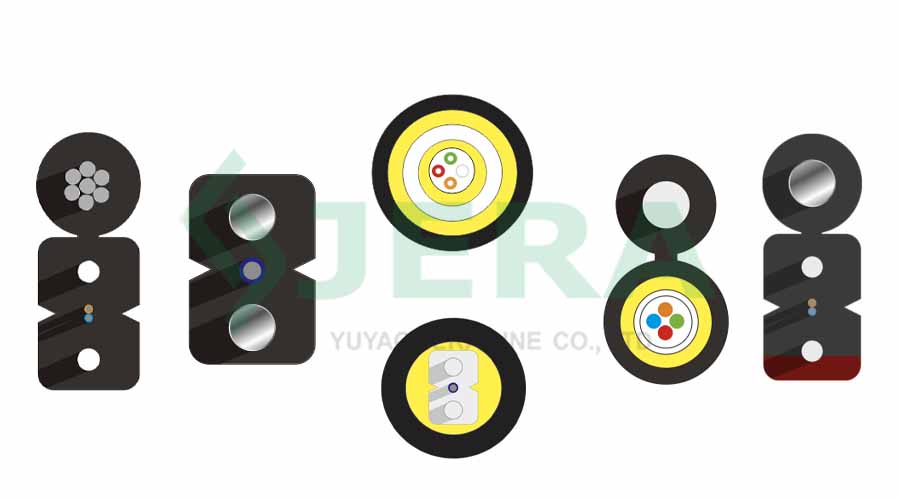
Based on our extensive research and synthesis of global industry practices, this guide has been carefully compiled to help you make informed decisions about ADSS cable accessories. We've analyzed technical specifications from leading manufacturers, studied international telecommunications standards (including IEC, EN, and NFC), and reviewed deployment experiences from projects around the world. Our goal is to provide a clear, reliable reference that makes the selection process more straightforward for you.
Target Audience
This guide is specifically written for the following professionals:
Telecom operator network planning engineers
FTTH project construction supervisors and managers
Technical consultants for fiber optic infrastructure investments
Power communication line design engineers
Procurement managers at telecommunications equipment distributors
Technical managers requiring comprehensive understanding of ADSS anchor clamp selection and application
Whether you are encountering this field for the first time or seeking to deepen your existing knowledge base, this guide provides systematic professional guidance tailored to your needs.
1. ADSS Anchor Clamp Fundamentals and Application Scenarios
1.1 What is an ADSS Anchor Clamp
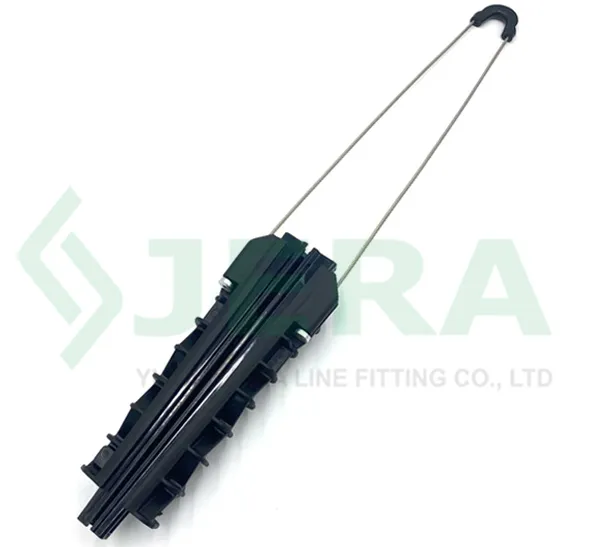
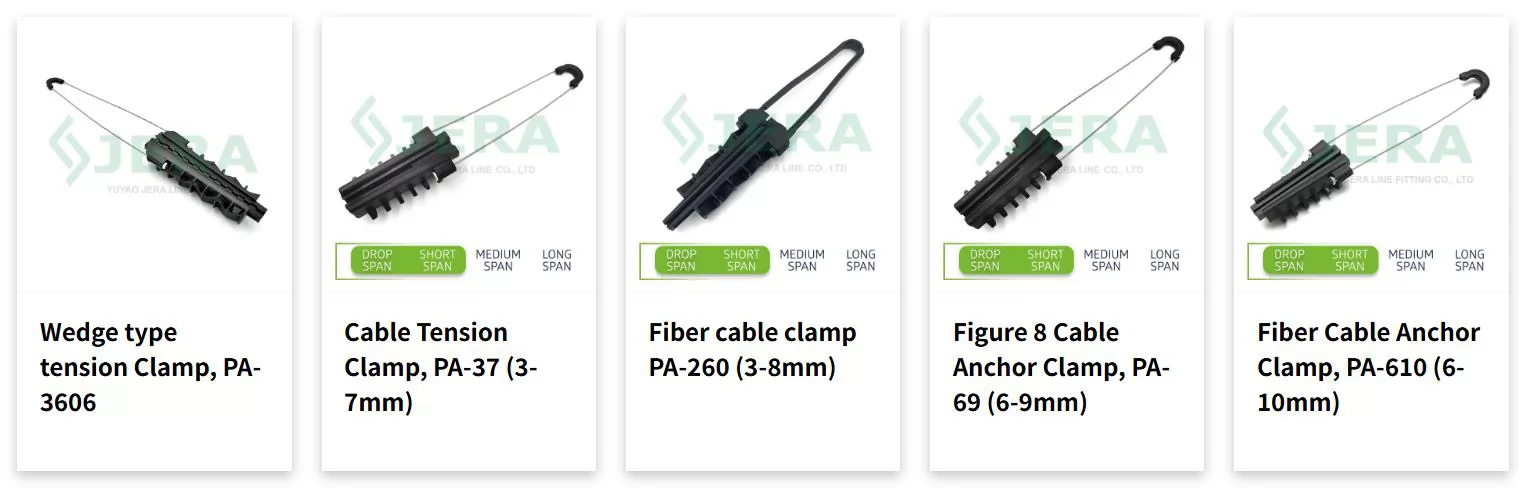
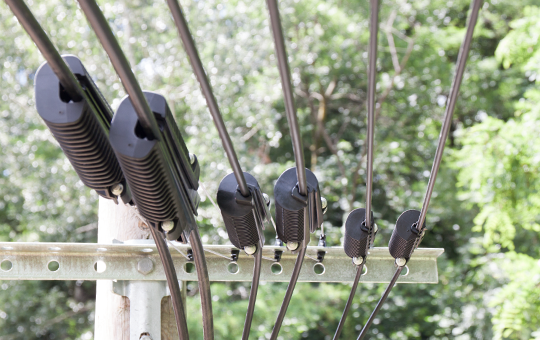
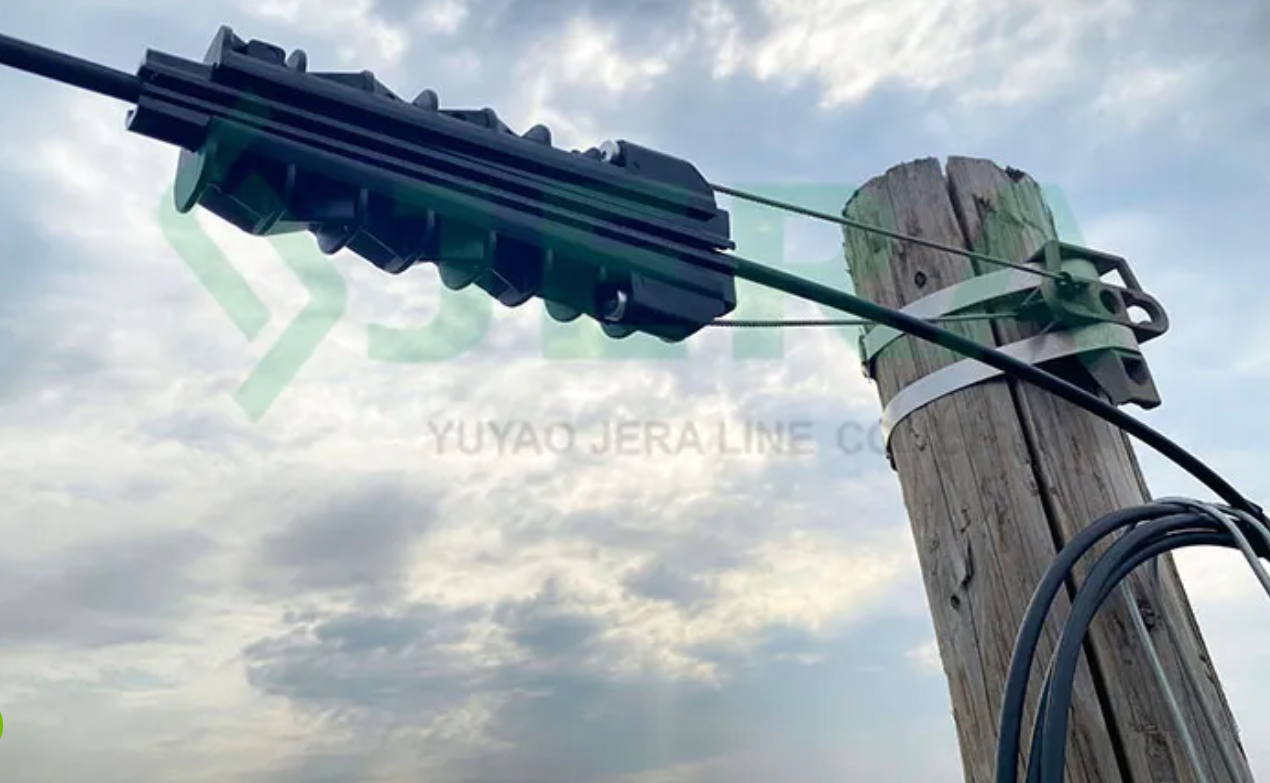
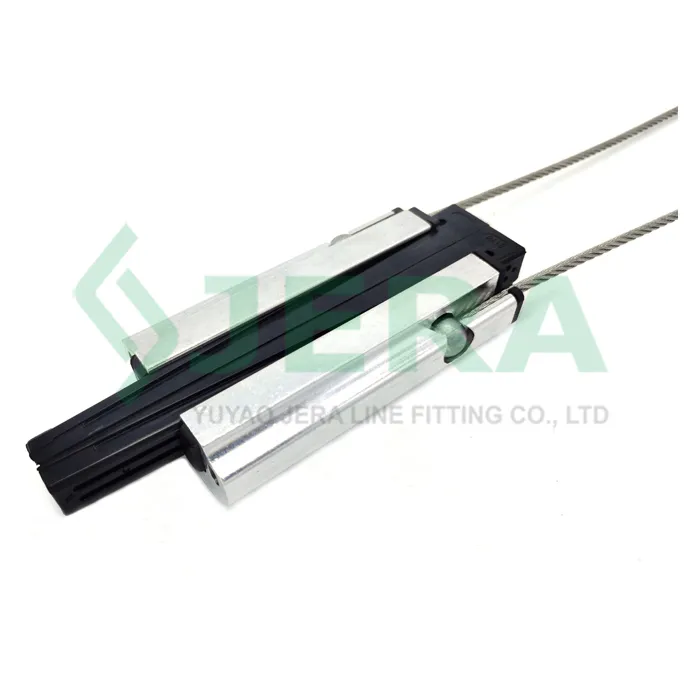
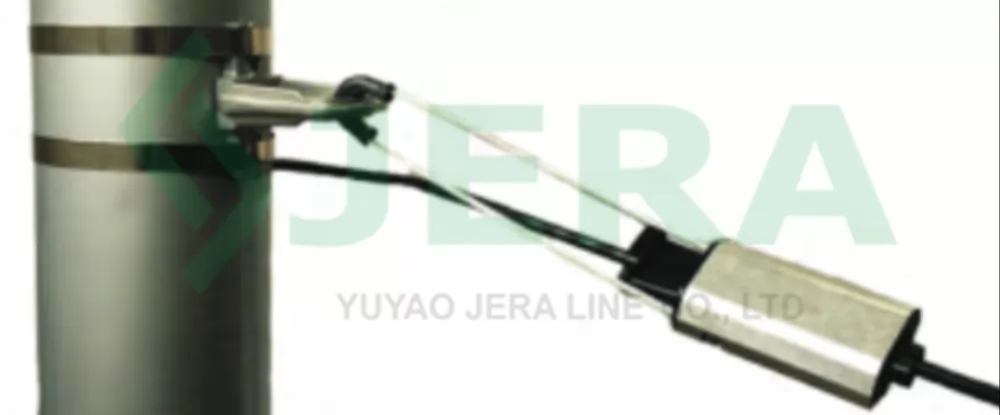
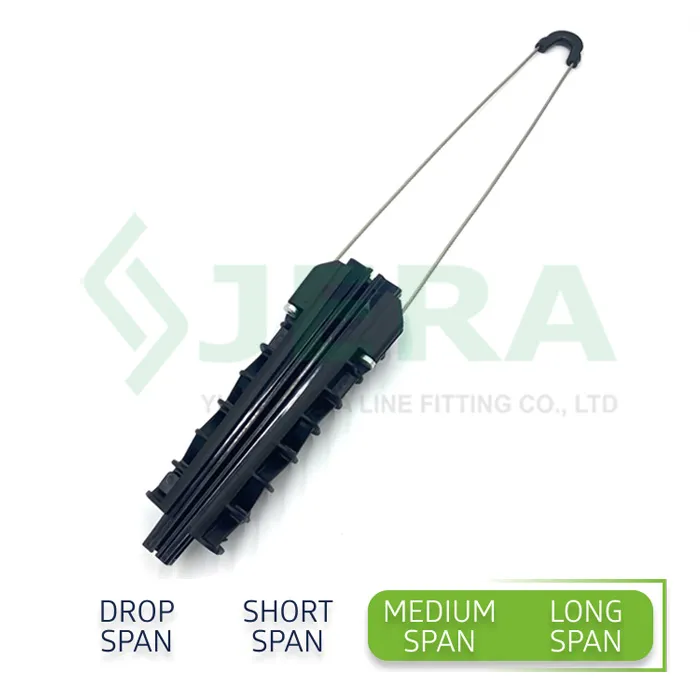
An ADSS anchor clamp, also referred to as an ADSS tension clamp or dead-end clamp, is a specialized hardware component engineered exclusively for All-Dielectric Self-Supporting (ADSS) fiber optic cables. Its primary function is to firmly anchor ADSS cables at terminal points, high-tension segments, or corner towers within fiber optic networks, effectively preventing cable slippage, elongation, or damage under operational stressors. Unlike suspension clamps, which merely support cables along straight spans, ADSS anchor clamps are purpose-built to withstand the full tensile load of the cable system.
Core Distinction: Anchor Clamps vs. Suspension Clamps
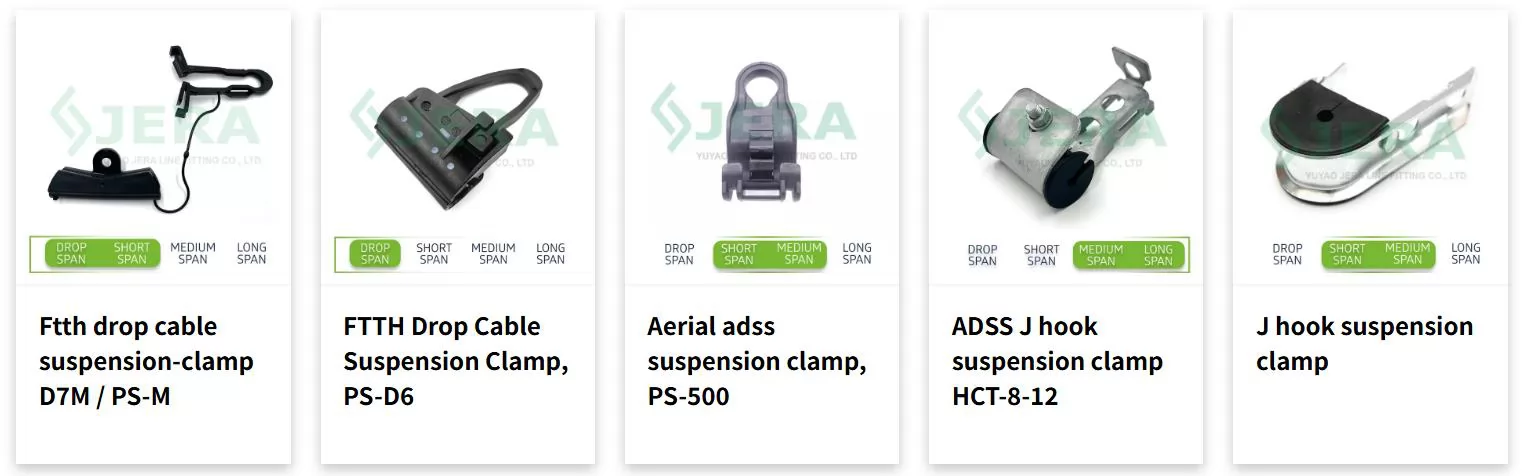
While both components are used in ADSS cable installations, their functions differ significantly. Suspension clamps provide intermediate support along straight cable spans, bearing primarily vertical loads from cable weight. Anchor clamps, conversely, are installed at termination points, angle towers, or high-tension locations where they must resist the full axial tensile load of the entire cable system. This distinction is crucial for proper system design and component selection.
1.2 Core Functions of ADSS Anchor Clamps
The role of ADSS anchor clamps in fiber optic networks extends far beyond simple fixation. From an engineering perspective, their core functions encompass several critical dimensions:
Tension Balancing Function
In overhead cable systems, cable self-weight, wind loads, ice accumulation, and temperature variations create complex mechanical stresses. ADSS anchor clamps, through precisely designed clamping force, can distribute these stresses evenly and effectively transfer them to support structures, ensuring cables maintain their designed sag and ground clearance while avoiding local stress concentrations that could lead to component damage.
Position Locking Function
At network nodes such as line terminals, angle towers, or branching points where cable direction changes or power splits occur, anchor clamps serve an anchoring function that secures cables at design positions. This prevents displacement caused by external forces, maintaining network topology stability and ensuring continuous signal transmission integrity.
Protective Function
High-quality ADSS anchor clamps feature adaptive wedge designs that provide reliable clamping without damaging cable sheaths. Additionally, their insulated construction prevents metal components from forming electrical pathways with support structures, protecting maintenance personnel safety and preventing stray currents from potentially affecting fiber transmission performance.
1.3 Typical Application Scenarios
ADSS anchor clamp applications span every critical aspect of fiber optic networks. Understanding these scenarios enables more precise selection decisions during the procurement process.
FTTH Distribution Line Termination
ADSS anchor clamps are most commonly applied at FTTH distribution line terminations. In fiber-to-the-home engineering, after ADSS cables branch from trunk lines, anchoring is required at subscriber access points. At these locations, the installation convenience and reliability of anchor clamps directly impact construction efficiency and long-term maintenance costs.
Long-Distance Aerial Trunk Line Anchoring
Long-distance trunk line applications impose higher mechanical performance requirements on anchor clamps. When crossing rivers, valleys, or employing large-span designs, cable tensions can reach several thousand newtons. Anchor clamps must possess sufficient breaking load margin to ensure system safety under these demanding conditions.
Angle Tower and Corner Tower Anchoring
Angle tower anchoring represents another typical application scenario. When line direction changes (deflection angles exceeding 25°), cables generate significant lateral pulling forces. Anchor clamps at such locations must provide additional lateral resistance capability, preventing cables from pulling out of clamps or causing support structure damage.
Special Environment Anchoring
Special environment anchoring encompasses harsh conditions such as coastal areas (high salt spray), high altitude (low temperature, low pressure), and desert regions (high temperature, intense UV radiation). These scenarios require anchor clamp materials with excellent weather resistance and aging performance to ensure design service lives exceeding 20 years.
2. Structural Design and Working Principles of ADSS Anchor Clamps
2.1 Core Structural Components Analysis
The sophisticated design of ADSS anchor clamps is reflected in the coordinated operation of every functional component. Understanding their structural principles forms the foundation for correct selection and efficient installation.
Main Body Housing
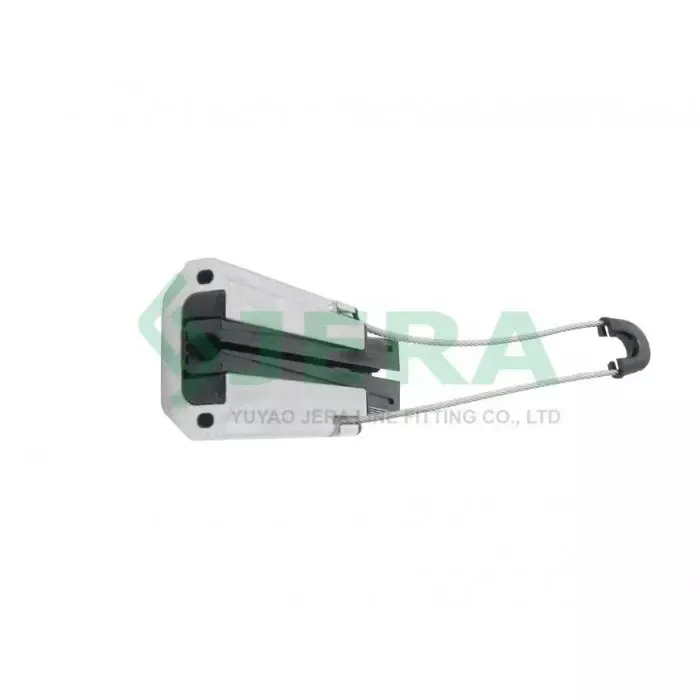
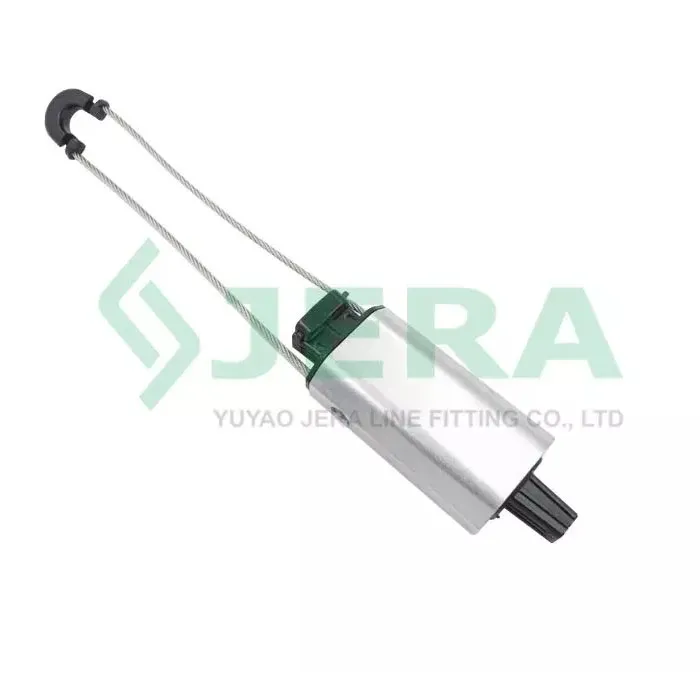
The housing is typically constructed from high-strength aluminum alloy or UV-resistant engineering plastics (such as glass fiber-reinforced nylon). Aluminum alloy housings provide excellent mechanical load-bearing capacity and thermal dissipation, while engineering plastic housings offer lighter weight and superior insulation characteristics. Housing surfaces often feature ribbed structures that enhance overall rigidity while facilitating heat dissipation and water drainage. Opening designs enable easy cable insertion and wedge assembly while ensuring structural integrity under various environmental conditions.
Adaptive Wedge
The adaptive wedge is the key component enabling non-damaging clamping. Wedge inner surfaces are typically lined with rubber or polymer pads featuring specialized textures that increase friction with cable sheaths while distributing clamping pressure evenly, avoiding local stress concentrations that could damage sheaths or cause fiber microbending loss. The adaptive characteristic of wedges lies in their ability to automatically adjust clamping gap according to actual cable diameter—when cables undergo thermal expansion or contraction due to temperature changes, wedges can adjust accordingly, maintaining stable and appropriate clamping force at all times. Some premium products employ symmetrical dual-wedge designs, further enhancing clamping force uniformity and stability.
Stainless Steel Hinge and Eyelet
Stainless steel hinges and eyelets connect the anchor clamp body to support structures. Hinges typically use 304 or 316 stainless steel materials, offering excellent corrosion resistance and the ability to withstand repeated bending without fatigue fracture. Eyelet designs must comply with internationally standard hole diameters and strength requirements, ensuring compatibility with various brackets and supports. Some products feature detachable hinge designs, facilitating angle adjustment or component replacement during on-site installation.
Insulating Isolators
Insulating isolators are important features distinguishing ADSS anchor clamps from ordinary cable clamps. In shared-pole installations with power lines, anchor clamp metal components may generate induced voltages due to electromagnetic induction. Insulating isolators effectively block electrical pathways between metal components and support structures, protecting maintenance personnel safety and preventing stray currents from potentially damaging cable transmission performance.
2.2 Working Principle Analysis
ADSS anchor clamp operation is based on the classic mechanical principle of wedge self-locking. The designs ingenuity lies in its ability to convert external pulling force into clamping force, achieving the effect: the tighter it pulls, the firmer it clamps.
When an anchor clamp is installed on a support structure and grips a cable, the cables axial pulling force generates radial components through the wedges inclined plane. This component drives the wedge deeper into the housing, increasing normal pressure between pads and cable sheaths, thereby generating greater friction force to resist cable axial slippage. Since wedge angles are precisely calculated (typically between 6° and 12°), this process exhibits self-locking characteristics—within normal working pulling force ranges, friction force always exceeds the force that would push the wedge out, allowing the anchor clamp to maintain stable status.
Load Distribution Mechanism
The load distribution mechanism of anchor clamps deserves special attention. Excellent anchor clamp designs can distribute cable pulling forces evenly across the contact arc between wedges and cable sheaths, avoiding localized overstress that could damage sheaths or increase fiber microbending loss. Some premium products optimize wedge inner surface texture patterns and arc profiles to achieve more ideal pressure distribution effects.
In extreme conditions (such as periodic vibrations from gusting winds, thermal expansion/contraction from sudden temperature changes), anchor clamp fatigue life becomes a critical indicator. Quality products ensure stable performance over 20+ year design service lives through measures including selection of high fatigue strength materials, optimized structural transition fillets, and vibration damping pad applications.
3. Classification and Detailed Specifications of ADSS Anchor Clamps
3.1 Classification by Span Length
ADSS anchor clamp classification methods are diverse, with the most commonly used being classification by application span. Different spans correspond to different mechanical performance requirements, and selection must accurately match specific conditions.
Short-Span Anchor Clamps
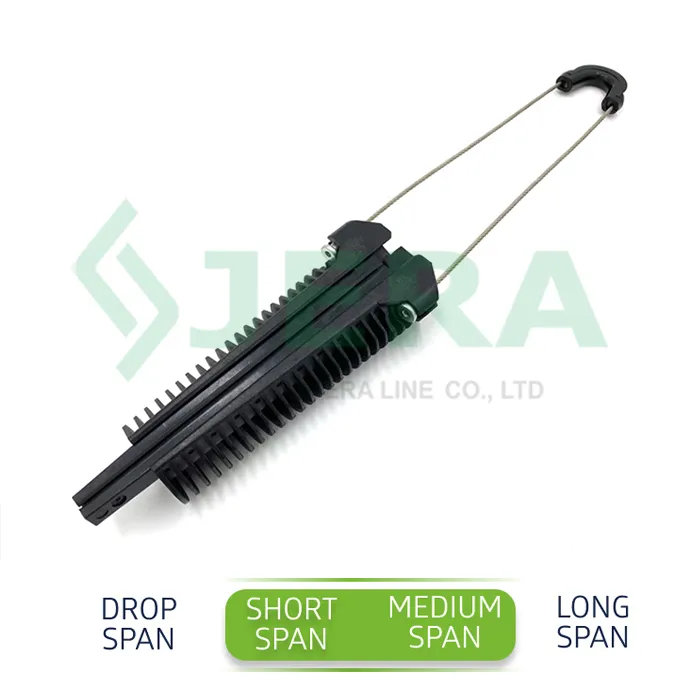
Short-span anchor clamps are suitable for overhead installations within 70 meters, commonly seen in FTTH last-mile access scenarios. These anchor clamps are typically designed to be lightweight, with relatively smaller clamping force ranges sufficient to cope with light tension environments. Typical products like the PA-700 series (compatible with 6-9mm diameter cables) feature maximum working loads of approximately 3kN and weights controlled within 0.2kg, facilitating rapid single-person installation. The advantages of short-span anchor clamps include high cost-effectiveness and simple installation, making them suitable for large-scale FTTH deployment projects.
Medium-Span Anchor Clamps
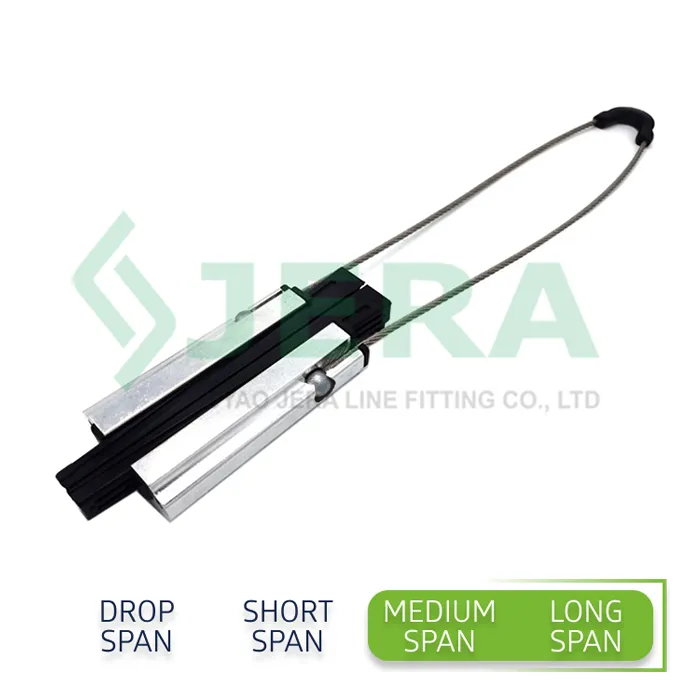
Medium-span anchor clamps are suitable for overhead installations ranging from 100 to 200 meters, serving as common choices for metropolitan fiber ring networks and backbone lines. These anchor clamps must withstand higher tensions and wind loads, typically employing aluminum alloy reinforced housing designs with larger wedge sizes and clamping force ranges. Typical products represented by the PA-1500 series feature maximum working loads up to 15kN, compatible with 11-17mm diameter ADSS/IPC cables, weighing approximately 0.4kg, capable of handling moderate environmental stresses.
Long-Span Anchor Clamps
Long-span anchor clamps are exclusively designed for overhead installations exceeding 200 meters, commonly seen in special scenarios such as river crossings, valley crossings, and road crossings. These anchor clamps employ the highest specification materials and structural designs, with maximum working loads ranging from 25kN to 70kN. Some products adopt dual-wedge or reinforced housing designs to ensure no deformation or failure occurs under extreme tensions. Long-span anchor clamps are typically used with reinforced support structures, with overall solutions requiring professional engineering calculations.
3.2 Mainstream Model Specifications Comparison
To facilitate reader understanding of mainstream products in the market, the following summarizes core technical parameters of representative models:
In practical selection processes, the following workflow is recommended: First, accurately measure the outer diameter of the ADSS cable being used (precise to 0.1mm); second, determine the maximum expected pulling force at anchoring points based on design documents; third, determine the required safety margin based on span length and environmental conditions; finally, make the final decision by comprehensively considering cost, installation convenience, and supplier service capabilities.
Critical Selection Note
It must be specially noted that anchor clamp rated loads must exceed the maximum expected working pulling force by a factor of 1.5 or more to ensure adequate safety margins. This requirement is particularly important in long-span or harsh environment applications, where sufficient safety margins directly determine the long-term safety and reliability of the entire network.
4. Key Factors for ADSS Anchor Clamp Selection
4.1 Cable Diameter Compatibility
Cable diameter matching is the primary consideration in anchor clamp selection. ADSS cable outer diameters vary significantly depending on fiber count, sheath thickness, and strength member configurations—ranging from 6mm small figure-8 drop cables to over 20mm large-core trunk cables. Anchor clamp wedge dimensions must precisely match cable diameters: excessively large results in insufficient clamping force with possible cable slippage; excessively small results in excessive pressure possibly damaging sheaths or causing fiber microbending loss.
In practice, manufacturers typically mark compatible cable diameter ranges for each anchor clamp model (such as 6-9mm, 11-14mm, etc.), with some premium products offering more detailed sub-models to cover different diameter ranges. During selection, it is recommended to provide suppliers with complete specifications of ADSS cables being used (including outer diameter tolerances), and when necessary, request sample clamping tests for verification before final procurement decisions.
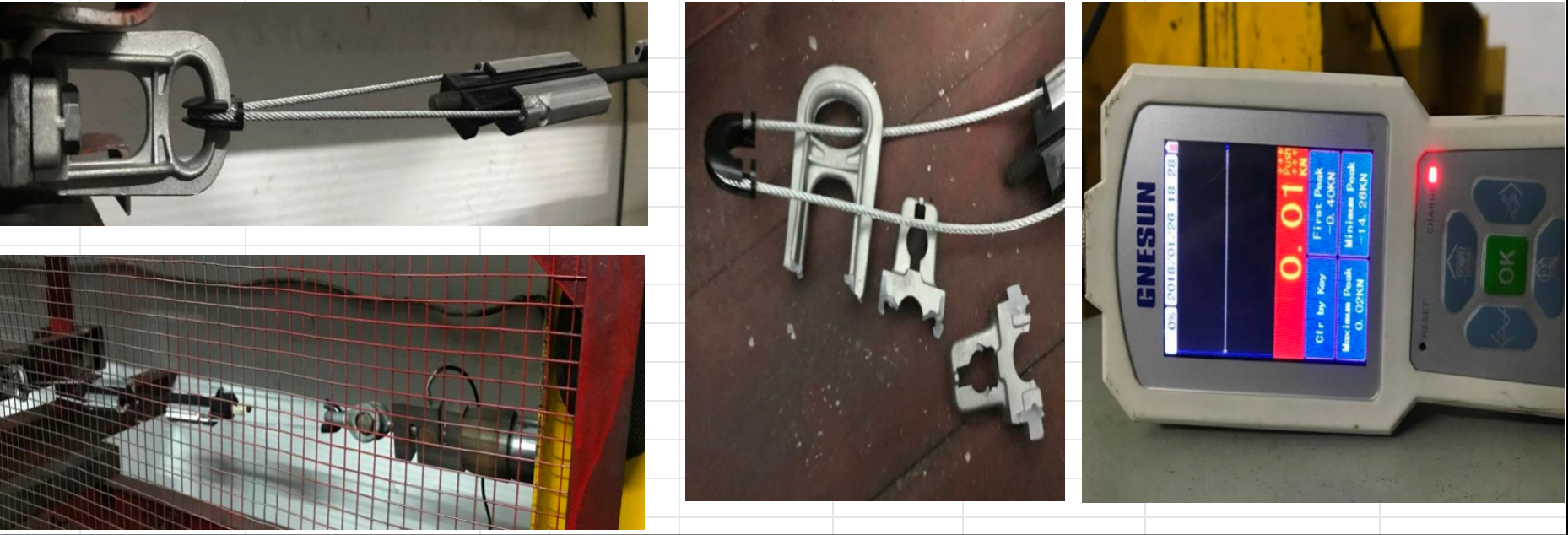
Mechanical performance is a non-negotiable criterion for evaluating anchor clamp safety. Industry practices in 2025 typically require anchor clamps to provide rated breaking loads ranging from 10kN to 70kN, with specific values depending on comprehensive factors including span length, cable weight, and wind/ice loads. It should be noted that anchor clamp rated loads should be understood as ultimate breaking loads, while their maximum working loads typically range from 40% to 50% of rated values—this design ensures adequate safety margins.
When evaluating anchor clamp mechanical performance, the following test data are recommended for focus: ultimate tensile tests (verifying whether breaking loads reach rated values), fatigue tests (verifying service life under repeated loads), and low/high temperature limit tests (verifying performance stability under extreme temperatures). These test data are typically reflected in supplier-provided type test reports or third-party inspection reports.
Material selection directly determines anchor clamp service life and environmental adaptability. Mainstream ADSS anchor clamps typically employ the following material combinations:
Aluminum Alloy
Such as 6063 and 6082 grades used for housing main bodies, providing high strength and lightweight balance. Quality aluminum alloy after anodizing treatment can significantly enhance corrosion resistance, suitable for general outdoor environments.
Stainless Steel
304 or 316L grades used for hinges, eyelets, and other connecting components. 316L stainless steel, due to molybdenum content, offers better resistance to chloride ion corrosion, making it the preferred choice for coastal high-salt-fog environments. 304 stainless steel is suitable for general industrial atmospheric environments.
Engineering Plastics
Such as glass fiber-reinforced nylon and polypropylene used for wedges, pads, and other insulated components. Quality plastics require UV stabilizer additions to resist UV aging, with some products also adding flame retardants to meet fire protection requirements for specific locations.
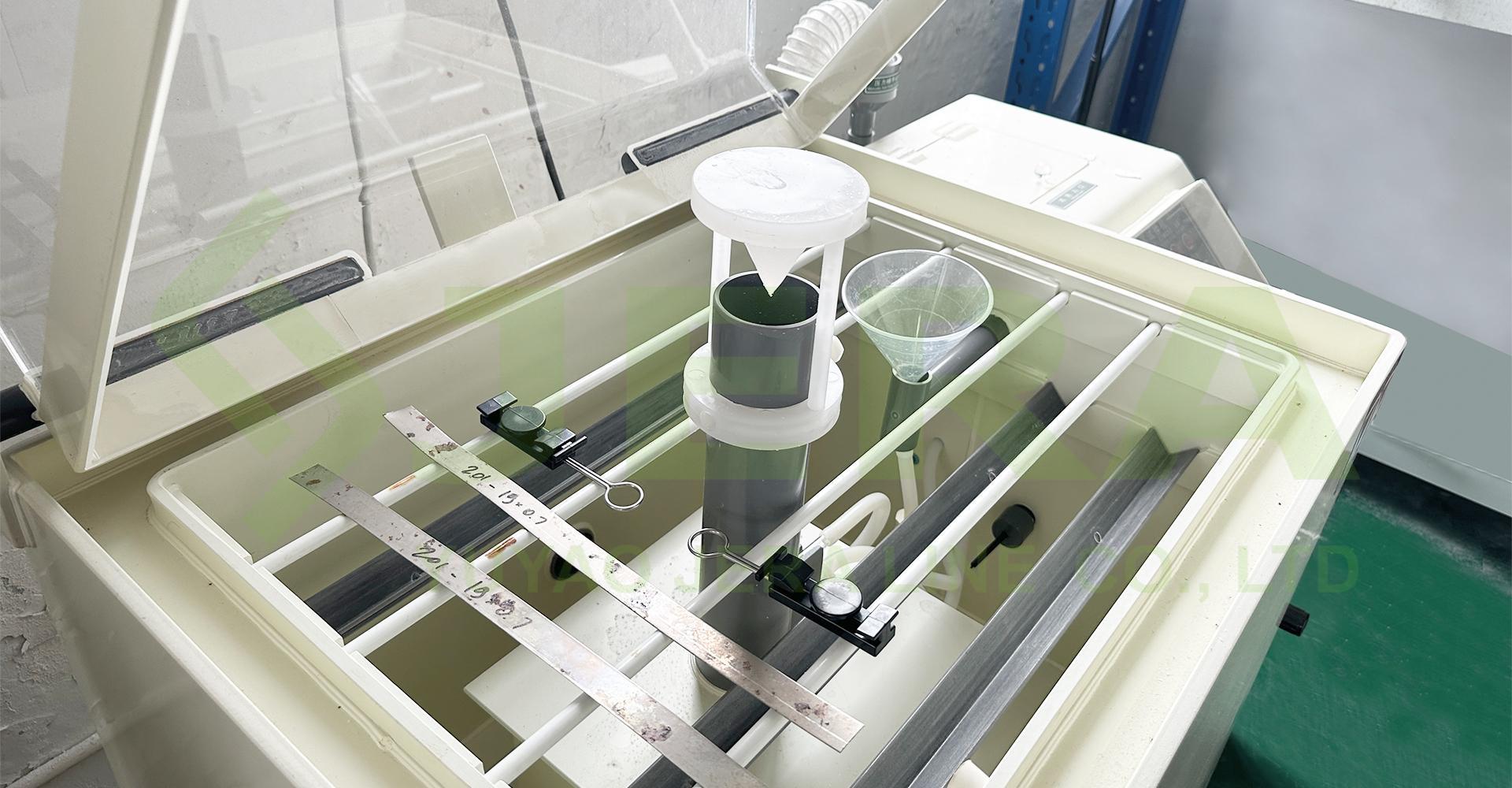
When evaluating material performance, salt spray test results (ASTM B117) serve as important references—premium products typically require passing neutral salt spray tests exceeding 1000 hours without significant corrosion.
4.4 Installation Efficiency and Tool Requirements
In large-scale FTTH deployment projects, installation efficiency directly impacts project costs. Excellent anchor clamp designs should achieve the following objectives: tool-free installation (manual operation), pre-assembled components reducing on-site assembly steps, and clear installation instructions minimizing error probability. Some products also feature anti-misinstallation structures such as directional markers and limit catches to prevent installation personnel from causing installation errors due to oversight.
From contractor feedback, under equivalent conditions, anchor clamps requiring specialized tools (requiring dedicated wrenches or tensioning devices) may have shorter single-installation times, but equipment costs and training costs are higher; while tool-free design products are more suitable for large-scale rapid deployment scenarios. Selection should comprehensively consider project characteristics and construction team capabilities during the evaluation process.
4.5 Standard Compliance and Certification Requirements
In 2025, international market requirements for ADSS anchor clamp standard compliance have become increasingly stringent. Products from reputable manufacturers typically comply with the following standard systems:
Mechanical Testing Standards
IEC 61284 (Overhead Line Hardware - Mechanical Tests), EN 50483 (Low-Voltage Switchgear and Controlgear Assemblies - Test Requirements), etc.
Environmental Testing Standards
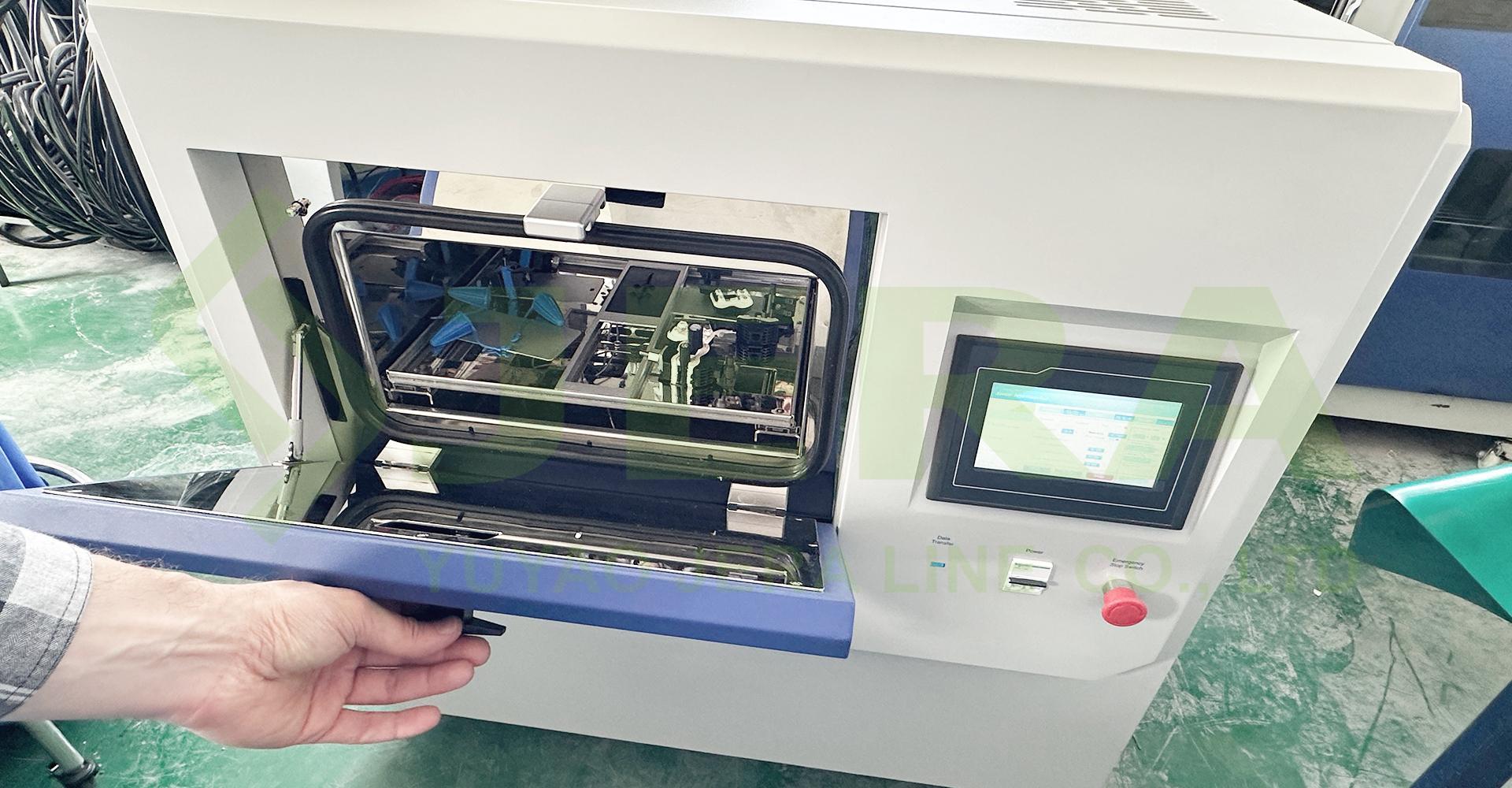
IEC 60068 Series (Environmental Testing), Salt Spray Testing (ASTM B117 or ISO 9227), UV Aging Testing (ASTM G154), etc.
The following international standards are most commonly referenced in the ADSS anchor clamp industry: IEC 61284 for mechanical testing, EN 50483 for electrical testing requirements, NFC 33020 for French national standards, and various ASTM standards for material and environmental testing. Compliance with these standards not only demonstrates product performance but also reflects manufacturer traceability and quality control discipline.
5. Installation Standards and Best Practices for ADSS Anchor Clamps
5.1 Pre-Installation Preparation
Standardized pre-installation preparation is the prerequisite for ensuring anchor clamps achieve designed performance. Construction teams should complete the following preparation work:
Tools and Equipment Inspection
Confirm required installation tools (such as torque wrenches, safety harnesses, pole clamps) are in good and usable condition; check anchor clamp packaging integrity, verify quantities and specifications match design documents; prepare protective equipment (insulating gloves, safety goggles, etc.) to handle possible live-line operation scenarios.
Site Condition Verification
Verify support structure (such as utility poles, tower structures) types and strengths meet design requirements; check installation location feasibility, including operational space, cable sag reservation, safety distance, and other factors; confirm weather conditions are suitable, avoiding work at heights during adverse weather such as high winds or thunderstorms.
Technical Briefing
Explain anchor clamp installation key points and precautions to installation personnel; clarify quality acceptance standards and record-keeping requirements; emphasize safety work regulations to prevent personal injury accidents.
5.2 Standard Installation Workflow
The typical installation workflow for ADSS anchor clamps is as follows (using the most common wedge anchor clamp as an example):
Step 1: Pre-Assembly of Anchor Clamp
Assemble anchor clamp components (housing, wedge, hinge) according to manufacturer instructions, ensuring moving parts rotate smoothly. Some products require first installing hinges on support structures before hanging housing and wedge assemblies into position.
Step 2: Cable Positioning
Place ADSS cable in wedge grooves, ensuring cable is positioned at wedge center to avoid eccentric forces. For figure-8 self-supporting cables, pay attention to orienting the cable's figure-8 shape top toward the anchor clamp opening direction.
Step 3: Wedge Insertion
Grip wedge sides by hand, advance along cable axial direction while pressing downward until wedge and housing are fully engaged. When a click sound is heard or obvious resistance increase is felt, this indicates the wedge is in position. Some products feature limit devices to prevent excessive wedge insertion.
Step 4: Hinge Locking
Hang entire anchor clamp on brackets or hangers already installed on support structures, lock hinge latches or bolts. Torque should be controlled according to manufacturer specifications—excessively loose may cause anchor clamp detachment, excessively tight may damage hinges or support structures.
Step 5: Inspection and Confirmation
After installation, verify all anchor clamp components are properly installed and connections are secure; lightly pull cable to confirm no abnormal slippage; record installation information (location, specification, installer, date, etc.) for subsequent traceability.
5.3 Installation Precautions
Avoid Damaging Cable Sheaths
Avoid scratching sheaths with sharp objects during installation; apply force evenly during wedge insertion, avoid single-side excessive impact causing sheath local indentation; after installation, check whether cables have bending dead zones at anchor clamp inlets.
Ensure Balanced Tension
During installation at angle towers or corner towers, ensure anchor clamp installation angles align with cable pulling direction, avoid generating lateral component forces causing anchor clamp tilt or rotation; for scenarios requiring double-sided anchoring, ensure tension balance on both sides.
Reserve Maintenance Margins
Consider subsequent maintenance or adjustment operations, avoid installing anchor clamps too close to other equipment; record anchor clamp installation location and direction information for future retrieval.
Special Environment Handling
In coastal or highly polluted environments, consider adding extra anti-corrosion gaskets at anchor clamp and support structure contact surfaces; in strong vibration areas, consider adding vibration damping pads or employing double-nut anti-loosening measures.
5.4 Common Installation Errors and Prevention
In practice, improper anchor clamp installation is a major cause of subsequent failures. The following outlines several common errors and their prevention measures:
Wedge Not Fully Seated
This is the most common installation issue. Some construction personnel, due to insufficient experience or time pressure, consider installation complete when wedges are not fully engaged, resulting in insufficient anchor clamp clamping force where cables gradually slip out under wind action. Prevention measures include strengthening training and on-site inspection, applying appropriate pulling force after installation to verify wedge locking status.
Incorrect Anchor Clamp Orientation
Incorrect orientation may cause unreasonable force distribution or cable sheath damage. Wedge anchor clamps typically have clear installation orientation markers (arrows or "UP" markings), which should face the correct direction during installation. Prevention measures include carefully checking product markings before installation and confirming with manufacturers when necessary.
Improper Torque Control
Improper torque control may cause connection looseness or structural damage. Tightening torque for bracket bolts or hinge pins should be strictly executed according to manufacturer specifications using torque wrenches for accuracy. Prevention measures include equipping appropriate tools and providing torque training.
6. Leading Manufacturers Comparison and Procurement Recommendations
6.1 Global Main Manufacturers Overview
The global ADSS anchor clamp market presents a diversified competitive landscape. The following introduces several representative major manufacturers:
TE Connectivity
As a global leader in connectors and fiber optic solutions, TE Connectivity offers comprehensive product lines with strict quality control, primarily serving major European and American telecom operators and equipment vendors. Their product advantages lie in brand reputation and technological advancement, though prices are relatively high with longer lead times.
Panduit
Panduit is a globally renowned manufacturer of cable management products, enjoying high reputation in data center and enterprise network fields. Their ADSS anchor clamp products are known for high quality and easy installation, holding significant market share in North American markets, though price thresholds are similarly high.
CMP Products
CMP Products is a professional cable clamp manufacturer with products covering power, communications, offshore engineering, and other fields, known for technological innovation and rigorous testing. Their products have high recognition in European markets, with some premium products featuring unique design advantages.
Jera Line
Jera Line is a professional fiber optic accessories manufacturer that has emerged among Chinese enterprises, established in 2012, specializing in R&D and production of FTTH cable supporting facilities. Their products cover complete ADSS anchor clamp series, insulation piercing connectors, cable brackets, and other accessories, known for high cost-performance ratios and flexible customization services, with business spanning over 30 countries and regions.
6.2 Analysis of Chinese Manufacturers Advantages
Chinese manufacturers, represented by Jera Line, demonstrate unique competitive advantages in the global ADSS anchor clamp market:
Cost Efficiency Advantage
This advantage stems from industrial chain synergy effects and scale production cost reduction. Compared with international brands, products of equivalent specifications from Chinese sources are typically 20% to 40% lower in price, offering significant attractiveness in cost-sensitive large-scale FTTH deployment projects.
Customization Capability Advantage
This stems from flexible production organization and rapid response capabilities. Chinese manufacturers typically offer OEM/ODM customization services, adjusting product designs, material selections, or packaging methods according to customer requirements to meet differentiated needs across different markets.
Production Capacity and Lead Time Advantage
This benefits from complete supply chains and mature production management. For urgent orders or large-volume procurement needs, Chinese manufacturers can typically provide shorter lead time guarantees.
Technical Service Advantage
This is reflected in localized response of presales consultation and after-sales support. Excellent manufacturers equip professional technical teams capable of providing value-added services such as selection advice, engineering calculations, and on-site guidance.
6.3 Procurement Decision Framework
Procurement decision-makers are recommended to comprehensively evaluate suppliers from the following dimensions:
Product Quality Dimension
Examine supplier quality management systems (such as ISO 9001 certification), testing capabilities (own laboratory configurations), product certifications (third-party test reports), and industry reputation (project cases and customer feedback).
Commercial Terms Dimension
Compare product prices and payment methods, lead time commitments and logistics solutions, minimum order quantities and volume discounts, technical support and after-sales services, and other practical terms.
Long-term Cooperation Dimension
Evaluate supplier continuous innovation capabilities (new product R&D investment), production capacity expansion potential (responding to demand growth), and cooperation stability (whether focused on this industry and good reputation).
Pre-Procurement Verification Recommendations
Before formal procurement, it is recommended to request product samples from suppliers for actual testing verification; simultaneously, factory visits or providing factory audit opportunities can comprehensively understand production and quality management capabilities. For strategic suppliers, establishing long-term cooperative relationships and conducting annual supplier evaluations help ensure continued product quality and service level stability.
7. Frequently Asked Questions and Technical FAQ
Q1: Do ADSS anchor clamps damage fiber optic cables? ▼
High-quality anchor clamps are designed to grip cables without penetrating or crushing sheaths. Properly designed anchor clamps generate pressure at clamping points that has been precisely calculated to avoid penetrating sheaths or causing internal fiber microbending loss. However, it must be noted that mismatched anchor clamp models (excessively large or small) and improper installation (wedge not seated, angular deviation) may all cause sheath damage—selection and installation phases require strict control.
Q2: Can one ADSS anchor clamp fit multiple cable sizes? ▼
Some anchor clamp models cover certain diameter ranges (such as 6-9mm), theoretically compatible with various cable types within that range. However, to achieve optimal long-term performance and safety, it is recommended to select product models that precisely match cable specifications as much as possible. Mismatched use may result in insufficient or excessive clamping force, with differentiated risks further magnified under extreme conditions.
Q3: What is the design service life of ADSS anchor clamps? ▼
Under normal use conditions, properly designed ADSS anchor clamps can achieve service lives of 20 to 30 years, essentially matching ADSS cable design lives. Actual service lives depend on environmental conditions (temperature, humidity, pollution levels), mechanical stress levels, and maintenance and upkeep conditions. Regular inspections (such as annually) can detect potential problems early and extend overall service lives.
Q4: Are ADSS anchor clamps reusable? ▼
The vast majority of ADSS anchor clamps are designed for one-time permanent installation and should not be reused after removal. Reuse may result in reduced clamping force due to plastic deformation of wedges and pads, while metal component fatigue damage may develop in hidden locations difficult to detect through visual inspection. If adjustment or repair is indeed necessary, it is recommended to use new anchor clamps.
Q5: What should be noted when installing ADSS anchor clamps near live power lines? ▼
When working near shared-pole power lines, electrical safety regulations must be strictly followed: maintain adequate safety distances, use insulated tools, and when necessary apply for power shutdown operations. Although ADSS anchor clamp insulated designs can provide certain degrees of electrical isolation, they cannot completely replace safe operation procedures. Additionally, anchor clamp metal components should avoid contact with live parts to prevent short circuits or electric shock incidents.
Q6: What testing should be conducted before ADSS anchor clamp acceptance? ▼
Before acceptance, the following tests are recommended: visual inspection (verifying product integrity and correct model), dimensional verification (confirming specifications match design documents), clamping force testing (verifying clamping force meets requirements), and if possible, sampling tensile testing (verifying mechanical performance). Complete test records should be retained for quality traceability.
8. Future Development Trends and Comprehensive Recommendations
8.1 Technology Development Trends
Looking ahead, ADSS anchor clamp technology will continue evolving in the following directions:
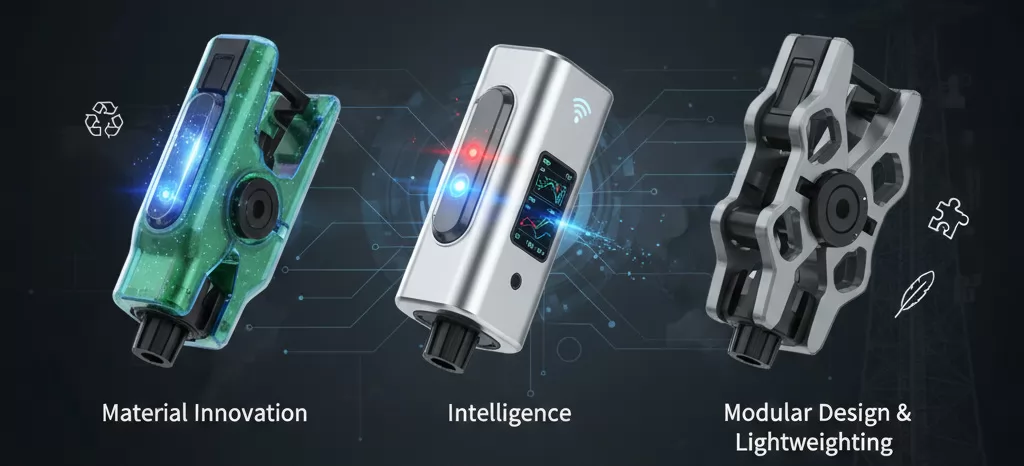
Material Innovation
Bio-based engineering plastics, recyclable materials, and other environmentally friendly new materials will gradually enter application areas to meet increasingly stringent environmental regulations; nano-modified composite materials may bring higher strength-to-weight ratios and more excellent weather resistance performance.
Intelligence
Smart anchor clamps integrating sensors (such as strain monitoring, temperature monitoring) will become new trends in high-end markets, providing real-time status data for network operations and supporting predictive maintenance and refined management.
Modular Design
Modular designs facilitating rapid installation and replacement will further enhance construction efficiency; standardized interfaces will promote interoperability between different manufacturers products and reduce system integration complexity.
Lightweighting
Through topology optimization and advanced material applications, lighter weights will be achieved while maintaining performance, reducing transportation costs and support structure burdens.
8.2 Comprehensive Selection and Procurement Recommendations
Based on systematic analysis throughout this guide, the following comprehensive recommendations are presented to readers:
First: Clarifying Requirements is the Starting Point for Selection
Before commencing selection, project information should be fully collected, including ADSS cable specifications (outer diameter, weight, strength member types), design spans and tensions, environmental conditions (temperature ranges, wind speeds, pollution levels), installation conditions (operational space, construction team capabilities), and standard and certification requirements. This information will directly influence model selection and supplier evaluation.
Second: Emphasize Quality Rather Than Just Price
Although ADSS anchor clamps represent a relatively small proportion of total fiber optic network investments, their failure may lead to serious communication interruption accidents, causing indirect losses far exceeding product costs. It is recommended to select suppliers with complete quality management systems capable of providing complete test reports, avoiding penny-wise and pound-foolish situations.
Third: Focus on Total Cost of Ownership
During selection, comprehensive consideration should be given to the sum of procurement costs, installation costs, maintenance costs, and expected service life, rather than just initial procurement prices. Premium products typically offer longer service lives and lower maintenance frequencies, proving more economical in the long run.
For operators or engineering companies with continuous FTTH project needs, it is recommended to establish stable long-term cooperative relationships with 1 to 2 quality suppliers. This not only facilitates obtaining better price and service terms but also promotes consistency in product management and problem traceability.
Fifth: Continuously Monitor Industry Dynamics and Standard Evolution
Telecom industry technical standards continue updating, and international and domestic standard systems are also continuously improving. It is recommended to maintain attention to standard dynamics, ensuring selected products comply with latest compliance requirements and avoiding passive rectifications due to standard upgrades.
Final Professional Advice
ADSS anchor clamps, though small in size, play decisive roles in fiber optic network reliability. Professional selection, standardized installation, and scientific maintenance are the three pillars ensuring network long-term stable operation. This guide aims to provide readers with systematic knowledge frameworks and practical decision-making tools, but actual project implementation should still be based on specific conditions and professional technical support. Wishing every reader successful project implementation and contributing to building more reliable global fiber optic communication infrastructure.
Ready to Optimize Your Fiber Optic Network?
For professional technical consultation, product selection support, or customized solutions tailored to your specific project requirements, our expert team is ready to assist you.




.png)




_1720490262_WNo_1440d750.webp)