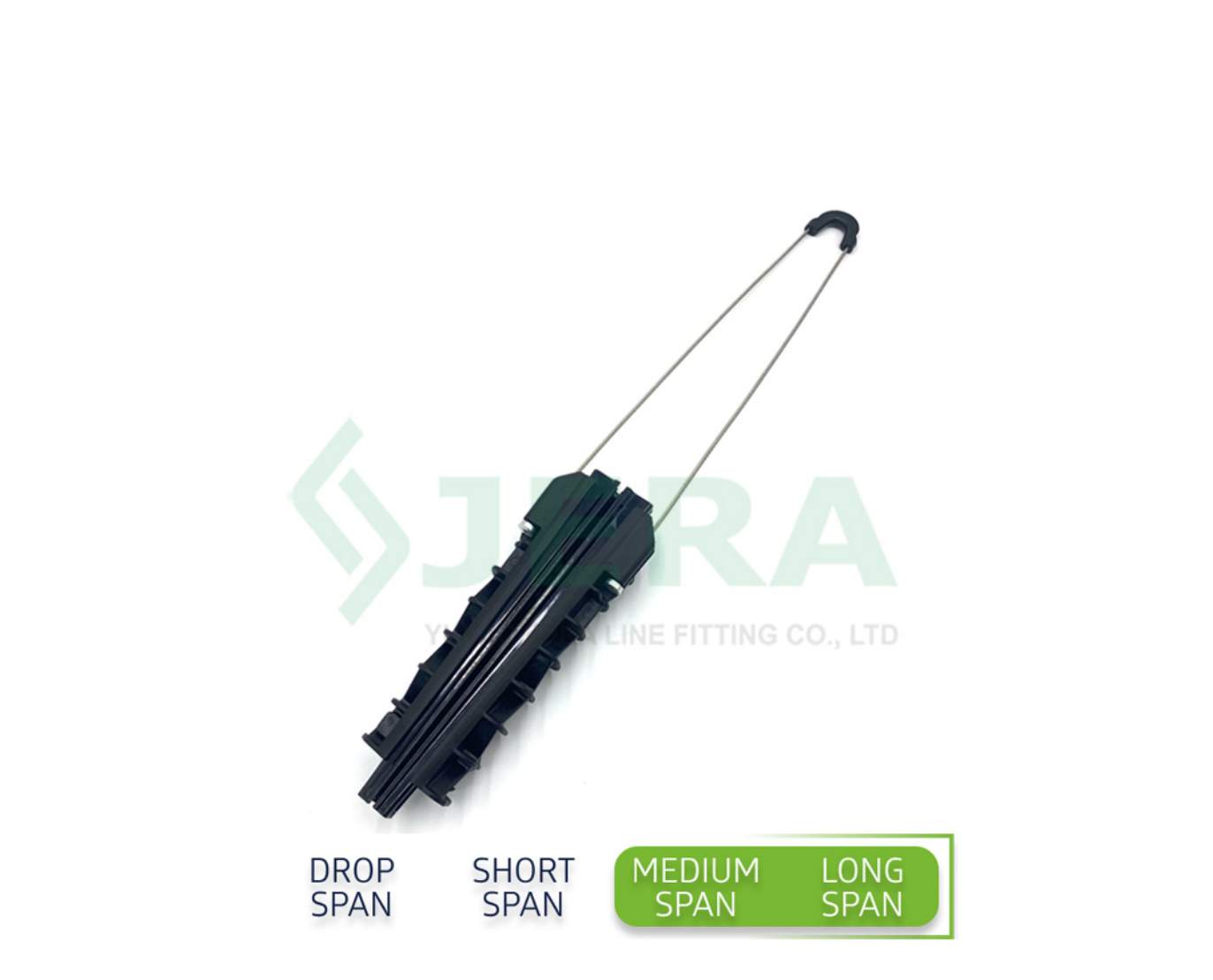
The global expansion of FTTH last‑mile networks brings high‑speed internet to millions of residential homes, multi‑dwelling complexes, and remote rural communities. Most industry conversations focus on bandwidth performance, splice craftsmanship, and proper deployment of fiber boxes for subscriber termination. Nevertheless, mechanical robustness of aerial fiber optic cable remains a decisive factor for long‑term network uptime. When drop cable cannot withstand real‑world pulling forces caused by installation tension, wind vibration, ice accumulation and thermal contraction, operators face fiber micro‑bending, signal attenuation, cable slippage at anchor clamps, unexpected service outages and costly repeated field maintenance visits. Stainless steel bands secure pole‑mounted hardware and fiber boxes, yet all mounting hardware will fail to deliver expected performance if the drop cable itself lacks qualified tensile capacity. This makes tensile strength testing according to IEC 60794‑1‑21 Method E1 an essential quality checkpoint for every FTTH project. In this blog post, we break down FTTH drop‑cable tensile testing aligned with IEC 60794 standards, explain common field risks of insufficient tensile performance, walk through Jera Line’s in‑house lab test workflow, and highlight why factory‑verified drop‑cable products deliver stable results for international telecom operators, distributors and network contractors.
Understanding FTTH Drop Cable Tensile Requirements Under IEC 60794‑1‑21
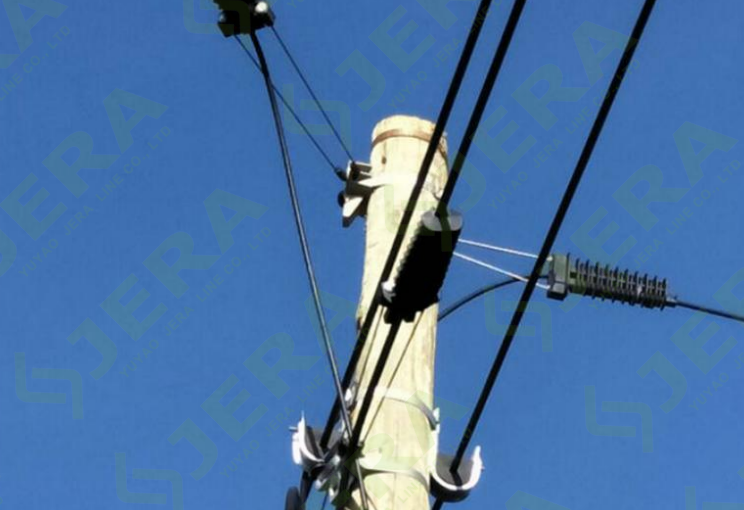
FTTH aerial drop cable serves as the final connection link between distribution poles and end‑user premises. Unlike trunk fiber optic cable, drop cable runs short‑to‑medium aerial spans and works together with anchor clamps, stainless steel bands, pole brackets and wall‑mounted fiber boxes to complete last‑mile connectivity. IEC 60794‑1‑21 defines globally‑recognized mechanical test procedures for optical fiber cables, and Method E1 sets clear rules for tensile strength evaluation.
This standard distinguishes two critical tensile thresholds: short‑term maximum installation tension and long‑term maximum allowable service tension. During the tensile test, sample cables are mounted on precision tensile benches, loaded to defined force values and held for specified durations. Technicians continuously monitor optical attenuation change; the acceptance criterion requires optical loss increment Δα ≤0.05 dB without fiber breakage, sheath tearing or reinforcement‑layer damagePrysmian. Even minor invisible fiber strain during tensile testing may evolve into gradual signal degradation years after network acceptance.
Many market‑available drop cables appear visually identical. However, inferior‑grade products use low‑strength aramid yarn or poor‑quality GFRP reinforcement. These cables may pass simple visual inspection, yet fail IEC 60794 tensile verification. When deployed with anchor clamps and fixed by stainless steel bands on utility poles, weak drop cable will stretch excessively under wind and ice load. Over‑stretched cable feeds into fiber boxes creates extra stress on splice points, raising failure risks inside sealed enclosures.
All Jera Line FTTH drop cable samples go through full‑procedure tensile testing inside our on‑site laboratory, strictly following IEC 60794‑1‑21 Method E1. Over 95 % of our drop‑cable production workflow, including raw‑material inspection, extrusion, stranding, batch tensile testing and finished‑goods inspection, is completed within our own manufacturing facility. This full‑process factory control ensures batch‑to‑batch consistency for fiber optic cable, matching mechanical performance with our portfolio of anchor clamps, stainless steel bands and fiber boxes for complete FTTH system compatibility.
Real‑World Field Risks When Drop Cable Tensile Performance Fails IEC 60794 Criteria
Procurement teams may be tempted to select lower‑cost drop‑cable options for large‑volume FTTH roll‑outs. Non‑compliant fiber optic cable with insufficient tensile strength generates cascading operational risks across aerial network segments:
Hidden Fiber Micro‑Bending Attenuation: Under installation tension or seasonal wind‑ice loading, poorly‑reinforced drop cable stretches beyond permitted strain limits. Internal optical fibers develop micro‑bends without obvious external sheath damage. Subscribers suffer unstable internet speeds, intermittent signal drops that field technicians struggle to diagnose.
Mechanical Slippage Inside Anchor Clamps: Even high‑quality anchor clamps cannot compensate for low‑tensile drop‑cable construction. When cable reinforcement layers deform under pulling load, the cable jacket slides inside wedge‑style anchor clamps. The drop cable sags significantly, risking contact with tree branches, power‑line hardware or building edges.
Secondary Damage to Fiber Boxes and Internal Splice Joints: Drop cable routes into outdoor fiber boxes often reserve limited strain‑relief space. Excessive cable elongation transfers mechanical pulling stress directly onto splice trays, PLC splitters and fusion splice points housed inside fiber boxes. This hidden stress is one frequent root cause of premature splice failure.
Correlated Degradation of Mounting Hardware: Stainless steel bands and pole brackets are dimensioned according to rated cable load. If drop‑cable unexpected dynamic forces spike, mounting accessories experience abnormal stress and accelerate wear, shortening service life of the complete overhead assembly.
Higher Total‑Cost‑of‑Ownership: Failures often occur two‑to‑four years after project completion. Operators need bucket‑truck mobilization, field‑crew overtime and component replacement. Cumulative maintenance expenses quickly erase initial savings from purchasing cheaper non‑tested fiber optic cable. Additionally, many national broadband tenders demand IEC 60794 test documentation; unqualified cables may trigger project audit rejection.
Jera Line In‑House Lab Tensile Test Workflow Compliant With IEC 60794‑1‑21
Jera Line’s ISO 9001‑certified in‑house laboratory implements a complete multi‑stage tensile verification workflow for every FTTH drop‑cable product family. Testing covers new‑product type approval, incoming raw‑material validation and periodic batch sampling for mass‑production orders. Our lab technicians work closely with cable extrusion teams, hardware design engineers for anchor clamps and fiber‑box product groups, ensuring fiber optic cable mechanical properties perfectly match supporting aerial accessories.
Raw‑material pre‑validation before cable extrusion
Tensile performance fundamentally depends on reinforcement components, including aramid yarn or GFRP strength‑members. Before mass cable production, raw‑material batches are sampled and tested for breaking‑load and elongation characteristics. Low‑quality reinforcement material is rejected at this early phase, preventing defective fiber optic cable output. We cross‑reference test results against target IEC 60794 performance targets, so finished drop cable can work reliably when fixed by anchor clamps and stainless steel bands on overhead lines.
Sample preparation and bench setup following standard requirements
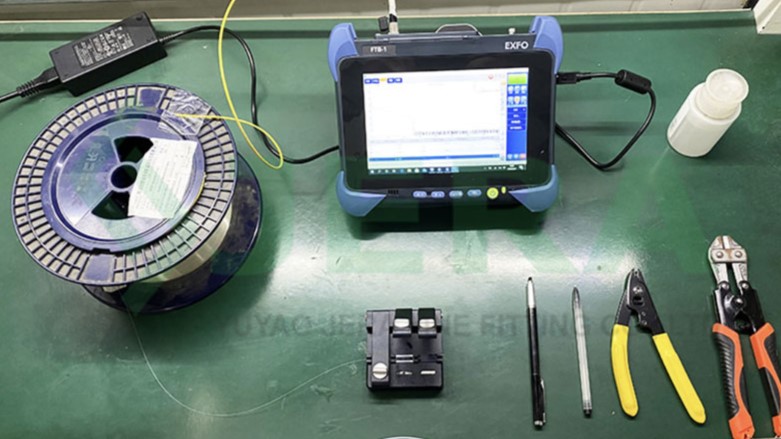
According to IEC 60794‑1‑21 Method E1 requirements, drop‑cable test samples are prepared with adequate free length, properly clamped on dual‑column computer‑controlled tensile test benches. Special care avoids jaw‑induced sheath crushing which would distort test results. Real‑time optical power‑monitoring equipment connects to sample fiber ends, continuously tracking attenuation changes throughout loading cycles.
Multi‑phase tensile loading procedure
The test runs through two main loading phases simulating real‑world operating conditions: short‑term installation tension and long‑term service tension. Technicians ramp force gradually up to rated installation load, maintain holding time as specified by IEC 60794, record optical loss variation, then increase load further for ultimate breaking‑load evaluation. After load release, technicians visually inspect cable sheath, reinforcement members and optical‑fiber integrity. Pass criteria include limited attenuation shift, no sheath rupture, no pull‑out of strength members. If any index fails, the corresponding production batch is blocked for shipment.
Cross‑system compatibility verification with matching FTTH hardware
Beyond standalone fiber optic cable testing, Jera Line conducts combined assembly tests: drop cable fitted with actual anchor clamps, secured via stainless steel bands onto simulated utility‑pole fixtures, with cable ends routed into real fiber boxes. This system‑level testing validates how cable behaves under tension together with full‑set field hardware. This unique factory‑side check identifies potential compatibility gaps that separate component testing cannot expose.
Digital traceable test‑report output
All tensile‑test datasets, including force curves, attenuation logs and visual‑inspection notes, are digitally stored and linked with production batch numbers. For tender projects and large‑volume buyers, we provide original in‑house test records complying with IEC 60794 requirements, removing long waiting periods for third‑party lab scheduling.
Core Factory Advantages of Jera Line for Tensile‑Validated FTTH Drop Cable
Many hardware suppliers outsource cable manufacturing and only conduct appearance inspection on incoming goods. Jera Line’s vertically‑integrated operation brings multiple tangible benefits for global FTTH buyers:
Full‑chain in‑house manufacturing and lab capability: More than 95 % of drop‑cable production and tensile verification is completed inside our own facility. We control reinforcement‑material selection, cable extrusion, mechanical testing and cross‑hardware compatibility checks with anchor clamps, stainless steel bands and fiber boxes. There is no reliance on external subcontractors for core quality validation.
New‑product and custom‑cable fast qualification: For custom‑spec drop‑cable requests, such as modified reinforcement strength for long‑span rural aerial deployments, our lab can complete IEC 60794 tensile evaluation internally. This drastically shortens OEM project lead‑time compared with suppliers who must ship samples to external laboratories.
Batch‑by‑batch sampling inspection for mass orders: Every production lot undergoes defined sampling tensile testing. If non‑conformance appears, production teams receive immediate feedback to adjust extrusion parameters before large volumes of fiber optic cable are completed.
Complete one‑stop FTTH hardware ecosystem: Customers can source IEC‑tested drop‑cable together with matched anchor clamps, stainless steel bands, pole brackets and different variants of fiber boxes from a single factory partner. Our engineering team verifies end‑to‑end system compatibility before goods leave the factory, lowering field‑deployment risks.
Direct technical support and sample evaluation: Qualified project buyers can request physical drop‑cable samples to run their own tensile verification, or test fit samples with their existing anchor clamps and fiber boxes. Our technical team reviews project specifications, span‑length parameters and local climate conditions to recommend suitable drop‑cable tensile grades.
Practical Buying Tips for FTTH Project Stakeholders
Even IEC‑standard drop cable will deliver poor performance under incorrect specification and deployment. Procurement managers, distributors and field contractors should follow these key recommendations:
Confirm tensile‑grade matches real‑world span and climate conditions: Short urban pole‑to‑building spans require different tensile ratings compared to exposed rural overhead routes with heavy wind‑ice risk. Coastal environments also demand extra attention to the anti‑corrosion performance of paired anchor clamps and stainless steel bands.
Always request IEC 60794‑aligned tensile test documentation for bulk orders. Distinguish between generic third‑party type‑test certificates and batch‑specific test records for your actual order.
Treat fiber optic cable, anchor clamps, stainless steel bands and fiber boxes as one integrated system. High‑tensile drop cable can still fail if paired with poorly‑matched clamping hardware that creates localized sheath stress. Jera Line technical team supports cross‑component compatibility review upon request.
Leverage sample evaluation before mass procurement: Test sample drop‑cable with your existing installation tooling, check tensile behaviour and physical fit into anchor clamps and fiber‑box cable‑entry ports. This step avoids costly specification mistakes on large FTTH roll‑outs.
Why Choose Factory‑Verified Jera Line Drop Cable for Your FTTH Deployments
Low upfront unit pricing should never override proven mechanical performance for aerial FTTH networks. Jera Line’s in‑house tensile testing following IEC 60794‑1‑21 ensures our fiber optic cable can survive installation pulling force and multi‑year outdoor environmental stress. Combined with our complete accessory portfolio including anchor clamps, stainless steel bands and fiber boxes, we deliver harmonized system solutions for residential, MDU and rural FTTH projects worldwide.
Founded in 2012, Jera Line has accumulated more than ten‑year experience supplying FTTH products to telecom distributors, importers and network contractors across many countries. Our ISO 9001 quality‑managed factory supports OEM customization for drop‑cable strength grades, cable dimensions, branding marking, alongside modified layouts for fiber boxes. Buyers communicate directly with our engineering teams without intermediate trading layers for faster technical responses.
Conclusion
Tensile‑strength performance of FTTH drop cable is the invisible backbone for reliable aerial last‑mile networks. The IEC 60794‑1‑21 standard sets objective testing rules to verify fiber optic cable can resist installation tension and long‑term outdoor mechanical loads. Poorly‑tested drop cable will trigger micro‑bending loss, anchor‑clamp slippage, and secondary damage inside fiber boxes, even when using premium‑grade anchor clamps and stainless steel bands.
As a vertically‑integrated manufacturer, Jera Line performs full‑procedure IEC 60794‑compliant tensile strength testing within our in‑house laboratory, covering raw‑material screening, new‑product validation and batch sampling for mass‑production orders. Our key factory strengths include full‑process internal production, cross‑component compatibility testing for the complete FTTH hardware ecosystem, traceable test documentation, flexible OEM customization and rich international‑project experience.
If you are a distributor sourcing aerial FTTH hardware, a contractor executing large‑scale network roll‑out, or an importer building your product portfolio, share your span‑length requirements, environmental conditions and hardware‑matching demands. Our technical team can recommend suitable IEC 60794‑verified fiber optic cable and supporting accessories including anchor clamps, stainless steel bands and fiber boxes for your upcoming FTTH builds.