Modern data centers have become the backbone of cloud computing, AI infrastructure, enterprise networking, and edge computing. As network speeds continue to evolve from 10G and 40G to 100G, 400G, and beyond, the requirements for cabling systems have become more demanding than ever. Performance alone is no longer sufficient—fire safety, environmental compliance, reliability, and long-term operational efficiency are now equally important.
Among today's most widely specified cabling materials, (LSZH) fiber optic cables have become the preferred solution for indoor data center deployments. When combined with reliable fiber management accessories, cable routing hardware, and termination solutions, LSZH fiber systems help create safer, cleaner, and more organized network infrastructures.
As a professional manufacturer of fiber optic infrastructure products, Jera Line provides a comprehensive range of LSZH fiber cables and installation accessories designed to simplify compliant data center cabling while ensuring long-term network reliability.
What Are LSZH Fiber Cables?
LSZH (Low Smoke Zero Halogen) cables are designed with special jacket materials that significantly reduce the emission of toxic smoke and corrosive gases when exposed to fire. Unlike traditional PVC-based cables, LSZH materials ensure:
-
Minimal smoke generation during combustion
-
No release of halogen gases (such as chlorine or fluorine)
-
Improved visibility during evacuation
-
Reduced damage to sensitive electronic equipment
In a data center environment—where thousands of cables are densely packed—these characteristics are essential for minimizing risk and ensuring regulatory compliance.
Why LSZH Compliance Matters in Data Centers
Traditional PVC-jacketed cables may perform well under normal operating conditions, but they present significant hazards during a fire. Burning PVC releases dense smoke and corrosive halogen gases that can damage expensive IT equipment and make emergency evacuation more difficult.
LSZH cable jackets are engineered to minimize these risks.
Key advantages include:
-
Extremely low smoke emission
-
Zero halogen gas release
-
Reduced toxic fumes
-
Improved visibility during emergencies
-
Better protection for servers and electronic equipment
-
Compliance with international fire safety regulations
Because thousands of fiber links often coexist within a single data hall, selecting LSZH cabling helps reduce overall fire risk while meeting increasingly strict building codes.
Many hyperscale data centers, telecom operators, financial institutions, hospitals, airports, and government facilities now specify LSZH materials as standard requirements for indoor installations.
LSZH Fiber Cabling in Structured Data Center Architecture
A typical data center cabling system includes multiple layers:
-
Backbone fiber cabling (high-core-count trunk cables)
-
Horizontal distribution networks
-
Cross-connect and patching systems
-
Rack-level fiber management
LSZH fiber cables are used across all layers to maintain consistent fire safety standards throughout the infrastructure.
However, cabling alone is not sufficient. A fully compliant system also depends on accessories such as:
These components must also meet LSZH or flame-retardant requirements to ensure full system compliance.
Integrated Fiber Accessories for Safe Deployment
A well-designed fiber network requires more than cables—it depends on reliable mechanical and protective accessories that maintain performance under stress and environmental risks.
Fiber Distribution and Management Systems
High-density data centers rely heavily on structured fiber distribution units. Solutions such as fiber optic distribution boxes enable organized termination, patching, and management of fiber strands while reducing congestion inside racks and trays.
Jera Line provides a range of fiber management products designed for outdoor and indoor FTTH and data network environments. Their distribution solutions are engineered for structured installation, helping operators maintain clear routing paths and improve maintenance efficiency.
Splice Protection and Network Stability
Fiber splicing points are critical weak points in any network. In data centers, improper protection can lead to signal loss or long-term degradation.
Splice closures and protection enclosures ensure:
-
Secure fusion splice housing
-
Moisture and dust resistance
-
Long-term mechanical stability
-
Easy maintenance access
Jera Line’s splice closure systems are widely used in FTTH and telecom deployments and are equally applicable to controlled indoor environments where reliability is essential.
Cable Fixing and Routing Accessories
Cable management is often underestimated, yet it is essential for airflow, maintenance, and fire safety compliance.
Key accessories include:
These components ensure that fiber cables remain securely fixed, properly routed, and protected from mechanical stress.
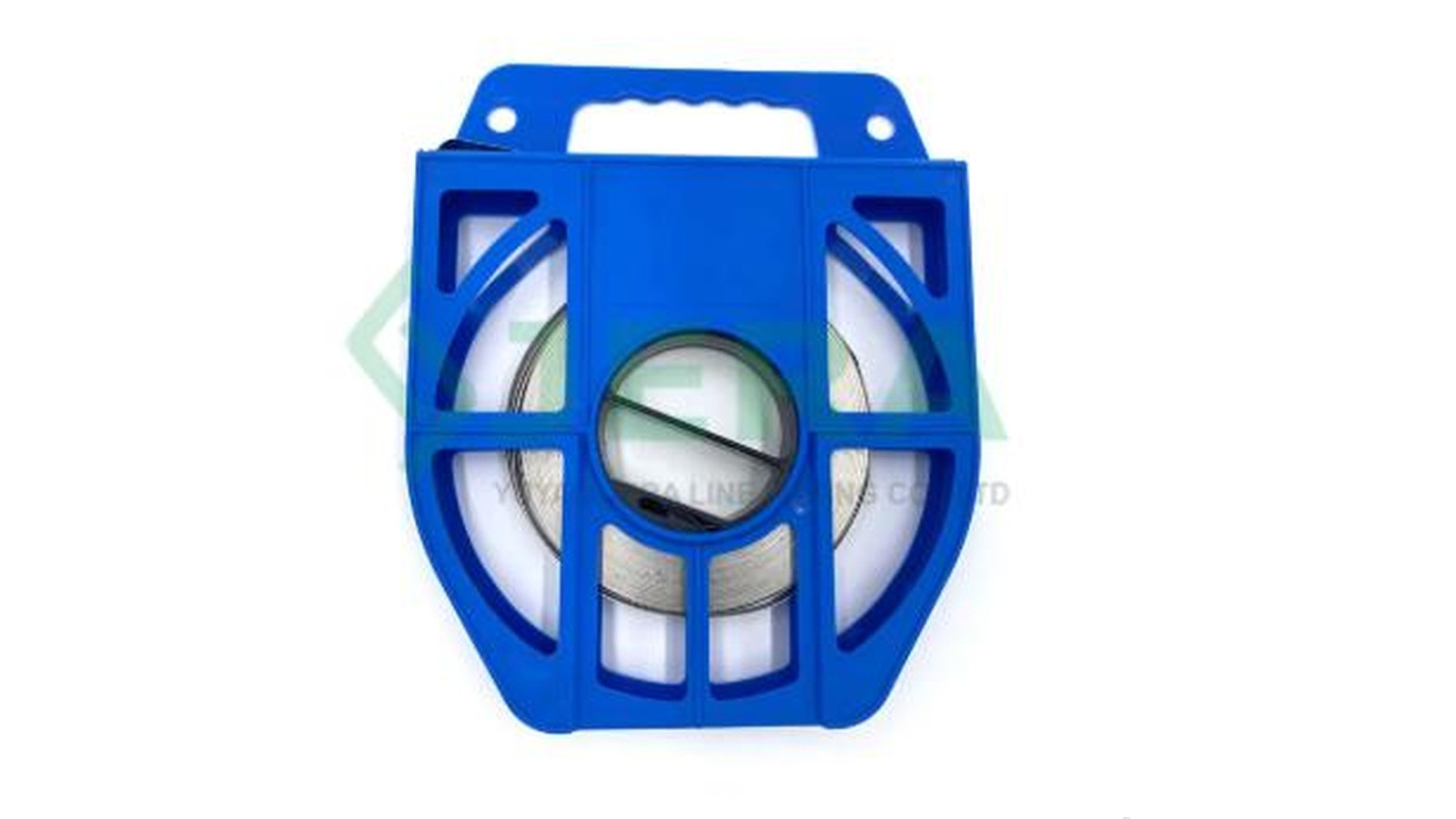
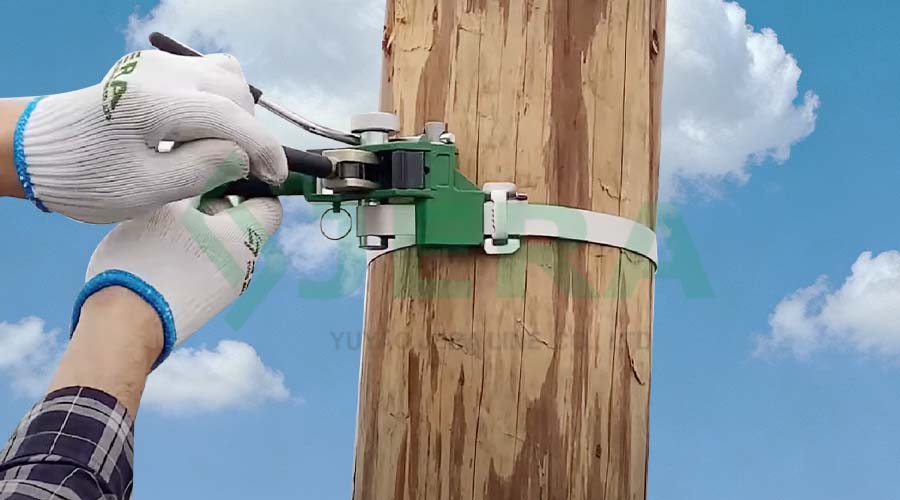
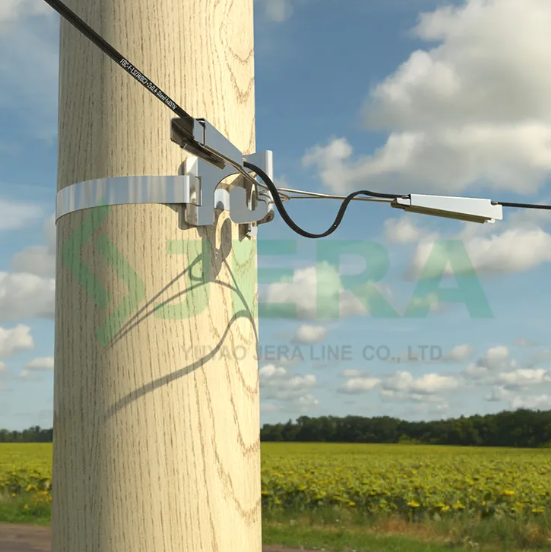
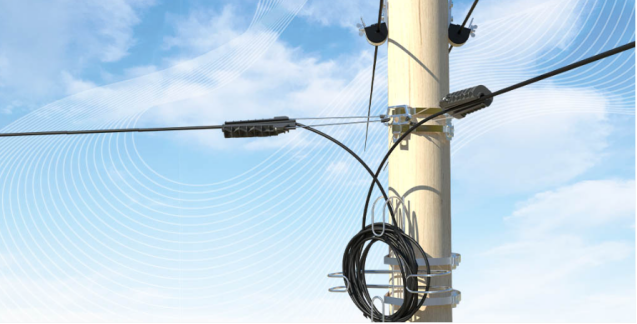
Jera Line’s cable clamp solutions are designed for both aerial and indoor applications, offering stable support while maintaining compatibility with LSZH cable systems. Their stainless steel banding systems further enhance durability in high-density installations.
LSZH Materials and Fire-Safe Engineering Design
Beyond cables, LSZH compliance extends to all plastic-based components used in fiber deployment systems. This includes:
-
Cable jackets
-
Connector housings
-
Distribution enclosures
-
Protective tubing and ducting
The goal is to eliminate toxic emissions across the entire cabling ecosystem.
In advanced manufacturing environments like Jera Line’s production facilities, strict material control systems are used to ensure consistent compliance with international fire safety standards. This includes raw material testing, environmental stress testing, and adherence to IEC-based evaluation frameworks.
Typical Applications of LSZH Fiber Cables
Although often associated with enterprise LANs, LSZH fiber cables are used throughout today's digital infrastructure.
Common applications include:
Data Centers
-
Spine-leaf architectures
-
Cross-connect areas
-
Server racks
-
Storage systems
-
Optical distribution frames
Enterprise Buildings
-
Office backbone networks
-
Intelligent building systems
-
Security monitoring
-
Access control
-
Wi-Fi backbone connections
Telecommunications Rooms
Fiber distribution inside equipment rooms requires clean cable routing while maintaining fire safety standards.
Hospitals and Public Buildings
Hospitals, schools, subway stations, airports, and shopping centers increasingly require LSZH cable systems to improve occupant safety during emergencies.
Benefits of LSZH-Compliant Fiber Infrastructure
Deploying LSZH fiber cables and accessories in data centers provides multiple operational advantages:
1. Enhanced Safety
Reduced smoke and toxicity significantly improve evacuation conditions and reduce risk to personnel.
2. Equipment Protection
Non-corrosive emissions protect sensitive servers, switches, and optical equipment from damage.
3. Regulatory Compliance
Supports global fire safety certifications required in enterprise and hyperscale data centers.
4. Future-Ready Infrastructure
Ensures compatibility with evolving sustainability and building safety regulations.
5. Reduced Downtime Risk
Improved fire behavior characteristics minimize infrastructure failure during emergency events.
Choosing the Right Fiber Cable Structure
Not every indoor environment requires the same cable construction.
Jera supplies multiple cable designs suitable for different installation scenarios.
Indoor Tight Buffer Fiber Cables
Designed specifically for indoor environments. Unlike loose tube cables, each optical fiber is individually protected by a tight-buffer coating (typically 900 μm in diameter), which provides excellent mechanical protection and makes the cable easier to terminate and install.
These cables are widely used in enterprise networks, data centers, FTTH buildings, campus networks, and telecommunications rooms where flexibility, easy handling, and fire safety are essential
Ideal for:
-
Patch panels
-
Equipment connections
-
Short indoor links
-
Distribution cabinets
Benefits include:
For building access networks and customer connections, lightweight LSZH FTTH cables provide:
-
Small outside diameter
-
Lightweight construction
-
Easy routing
-
Low bending radius
-
Quick installation
These cables are widely used in apartment buildings, office complexes, hotels, and campus networks.
Distribution Fiber Cables
Where higher fiber counts are required, distribution cables provide:
-
Multiple optical fibers
-
Compact diameter
-
High tensile performance
-
Excellent cable management
They are ideal for data center backbone connections.
As a specialized manufacturer of fiber optic infrastructure products, Jera Line focuses on delivering integrated solutions for FTTH, telecom, and data center applications.
Their product ecosystem includes:
By combining mechanical durability with compliance-focused material engineering, Jera Line enables network operators to build scalable and safe fiber infrastructures.
Their solutions are widely applied in outdoor FTTH deployments as well as indoor structured cabling environments where LSZH compliance is critical.
Reliability Starts with Manufacturing Quality
Fiber infrastructure products remain in service for decades.
Selecting products from manufacturers with complete quality control processes significantly reduces long-term operational risks.
Jera integrates multiple manufacturing technologies within one production facility, including:
-
Plastic injection molding
-
Metal stamping
-
Fiber cable manufacturing
-
CNC machining
-
Stainless steel processing
Every production stage undergoes strict inspection before shipment.
Routine laboratory testing includes:
-
Tensile testing
-
UV aging
-
Salt spray resistance
-
Temperature cycling
-
Flame performance
-
Impact testing
-
Compression testing
This quality assurance helps ensure stable performance under demanding installation conditions.
Conclusion
As digital infrastructure continues to expand, compliant cabling systems are becoming a fundamental requirement rather than an optional upgrade. LSZH fiber optic cables reduce fire hazards while supporting high-speed data transmission, making them the preferred choice for modern indoor networking environments.
However, cable performance depends on much more than the cable itself. Reliable patch cords, PLC splitters, fiber distribution boxes, splice closures, and cable management accessories all play critical roles in building an efficient and maintainable network.
Jera Line delivers a complete portfolio of LSZH fiber cables and fiber optic accessories engineered to meet the evolving needs of data centers, enterprise buildings, FTTH projects, and telecommunications networks. By combining rigorous quality control, integrated manufacturing capabilities, and practical installation solutions, Jera helps customers deploy compliant fiber infrastructure with confidence, ensuring long-term reliability, simplified maintenance, and dependable network performance for years to come.



.png)