For telecom installers, broadband technicians and network managers, a properly installed FTTH wall box is the core of a reliable indoor fiber optic network. It houses fiber terminations, splices and connectors, protecting delicate fiber cables and ensuring seamless signal transmission for high-speed internet, TV and voice services. This guide breaks down the key steps, prep work and best practices for installing an indoor fiber optic termination box, suitable for both professionals and skilled DIY enthusiasts.
What is an FTTH Indoor Fiber Optic Wall Box?
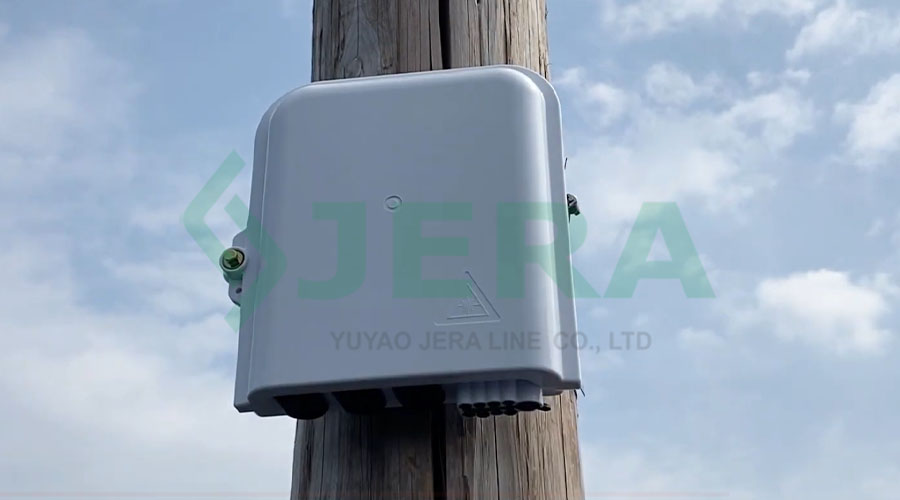
An indoor FTTH wall box is a compact, durable enclosure (ABS plastic or metal) for indoor fiber cable management, termination and storage. Equipped with splice trays, cable entry ports and adapter holders, it organizes SC/LC/FC fiber connections to minimize signal loss, and shields fibers from physical damage, dust and moisture. Available in various sizes for different fiber counts, it bridges outdoor fiber drops and indoor devices like ONTs and routers, and allows easy access for maintenance and upgrades.
Step-by-Step FTTH Wall Box Installation
Note: Handle fiber components with extreme care— the glass core is fragile and prone to damage from bends or nicks.
Mount the box: Align the box on the wall, mark screw holes with a level, drill pilot holes and insert anchors (for concrete/brick/drywall). Fasten mounting screws to secure the box (avoid over-tightening plastic enclosures).
Route cables: Feed the outdoor fiber drop through a grommet-sealed entry port, leave a 10-15cm service loop inside the box, and secure the cable with internal clips. Route the indoor ONT cable through a second port (if needed) and leave a second service loop.
Prepare fibers: Strip the outer jacket, buffer layer and coating from the fiber drop and pigtails with a stripper (no nicks). Make a clean, perpendicular cut with a fiber cleaver, then clean the cleaved ends to remove dust/debris.
Terminate fibers: For mechanical splices, insert cleaved fiber ends into the splice and lock it, then place it in the splice tray. For fusion splices (professional), use a fusion splicer, add a heat-shrink protector and place in the tray. Connect pigtail connectors to box adapters (click to secure) and label ports.
Organize & close the box: Arrange splices/cables to avoid tight bends (minimum 30mm static bend radius), trim excess cable ties, and close/lock the box cover to protect internal components.
Test the connection: Use a fiber power meter to check signal levels (-7 dBm to -28 dBm for standard FTTH single-mode fiber). Troubleshoot low/unstable signals (reclean connectors, re-splice, straighten bends), then connect to the ONT and test full service functionality.
Application
Jera Line’s Fiber Optic Distribution Box (FODB) is expertly engineered to support all optical fiber network connections and ODN deployment, meeting the bandwidth demands of gigabit-level networks. It boasts wide applicability across FTTH, FTTB, FTTC and FTTP projects, catering to the fiber optic construction needs of residential communities, commercial buildings, industrial parks as well as rural broadband access initiatives. As an ideal ODN node device for telecom operators, broadband service providers and network construction firms, this FODB series guarantees stable and high-efficiency optical signal transmission, performing reliably in both indoor and outdoor operational environments.
Opting for Jera Line’s FODB solutions empowers network engineers and project managers to build fiber optic installations that deliver unwavering stability, excellent scalability and long-lasting durability—even in scenarios where off-the-shelf market products fall short of meeting specific project requirements.
Why Choose Jera Fiber as Your Fiber Optic Distribution Box (FODB) Supplier?
When sourcing FODB for ODN construction and FTTH/FTTB/FTTC/FTTP gigabit fiber network projects, Jera Fiber is the trusted choice for telecom operators, broadband providers and network construction enterprises. Our core strengths make us a reliable FODB partner, as follows:
High-quality & scenario-adaptable FODB: Expertly engineered for gigabit bandwidth needs, our FODB ensures stable optical signal transmission in both indoor and outdoor environments, perfectly matching all fiber network connection requirements.
Factory-direct competitive pricing: As a direct manufacturer, we offer cost-effective FODB solutions without compromising on quality, suitable for small and large-scale fiber projects alike.
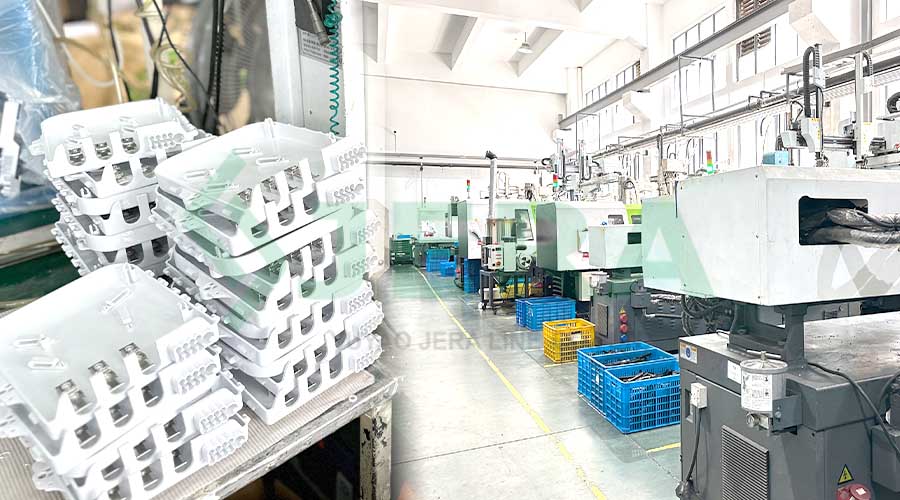
ISO-certified strict quality control: We comply with global ISO quality management standards, with standardized production and regular inspections to ensure consistent product quality.
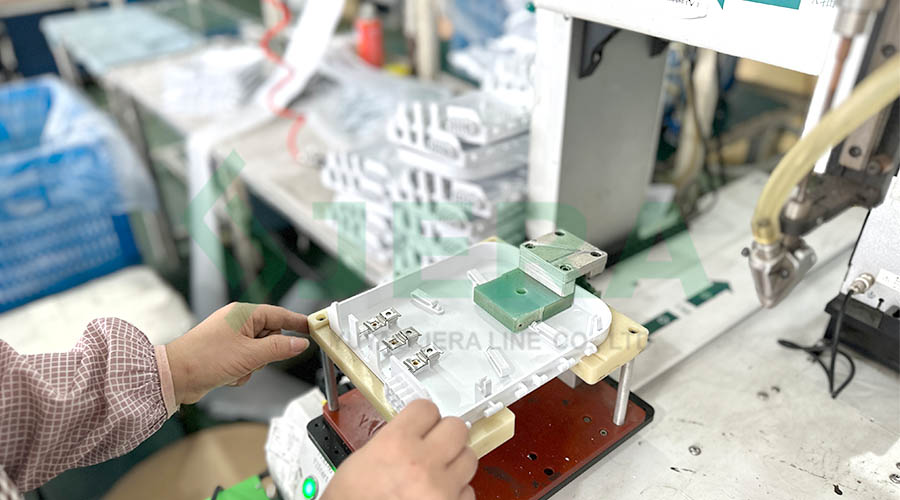
In-house lab for reliable testing: Our dedicated laboratory conducts rigorous performance and durability tests on all FODB products, guaranteeing reliable on-site deployment.
Custom OEM/ODM services: We provide professional customized FODB solutions to meet your unique project, design and branding requirements.
Extensive global trade experience: Having partnered with clients in over 30 countries, we fully understand international industry standards and regional compliance requirements.
Dedicated customer & technical support: Our professional team offers timely and efficient assistance for all your inquiries, order follow-ups and technical issues.
Reach out to Jera Fiber for professional technical support and top-quality FODB solutions for your fiber optic network projects!



.png)