In the era of hyper-connected digital life, fiber-to-the-home (FTTH) has become the backbone of high-speed internet, enabling seamless streaming, remote work, and smart home operations. While much attention is focused on high-capacity fiber cables and advanced networking equipment, the unsung heroes of reliable last-mile installations are often overlooked: drop wire clamps. These small but critical components play a pivotal role in securing fiber drop wires, ensuring that the final connection from the distribution point to the customer’s premises remains stable, safe, and long-lasting.
What’s the Drop Wire Clamp?
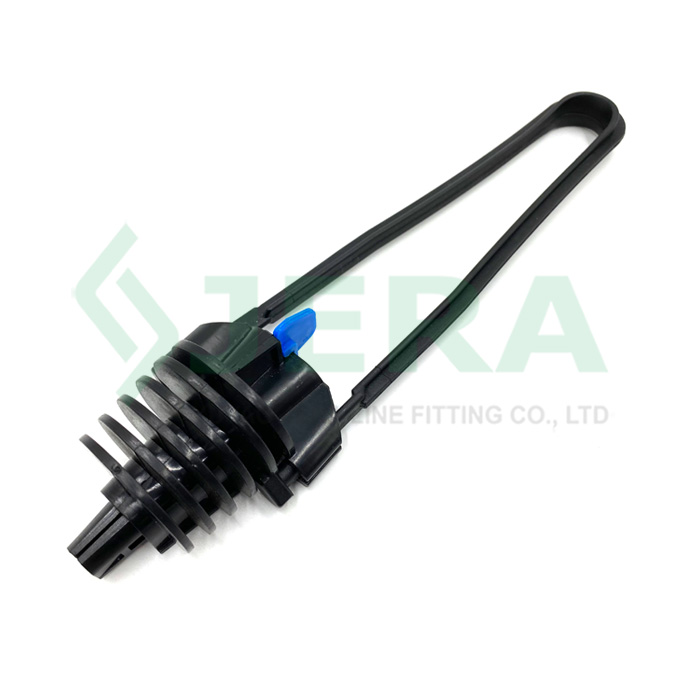
A drop wire clamp is a specialized fastening device designed to secure fiber optic drop wires to various structures, including utility poles, building facades, and entry points. Unlike generic cable clamps, drop wire clamps are engineered specifically for the unique properties of fiber optic cables—delicate, lightweight, and sensitive to excessive tension or bending. They come in various designs, including screw-type clamps, spring-loaded clips, and adhesive-backed models, each tailored to different installation scenarios and fiber types.
Crafted from durable materials like corrosion-resistant aluminum, stainless steel, or high-grade plastic, drop wire clamps are built to withstand harsh outdoor conditions, including extreme temperatures, UV radiation, and moisture. Their primary function is to hold the fiber drop wire firmly in place without damaging the cable’s protective jacket or internal optical fibers, ensuring signal integrity and preventing service disruptions.
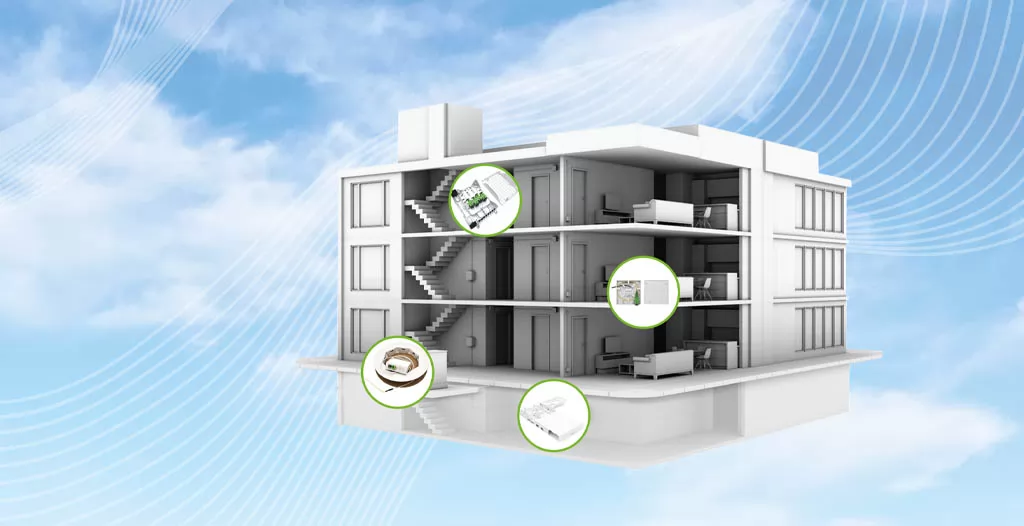
Key Roles in Last-Mile Fiber Installations
In the FTTH ecosystem, the last mile is the most complex and critical segment, connecting the neighborhood distribution network to individual homes and businesses. Drop wire clamps fulfill three indispensable roles in this process:
-
they provide mechanical support for fiber drop wires. Without proper clamping, loose cables can sag, sway in the wind, or become entangled with other utilities, increasing the risk of accidental damage or breakage. Clamps distribute tension evenly along the cable, preventing stress points that could compromise the fiber’s structural integrity.
-
they ensure proper cable routing. Drop wire clamps guide the fiber cable along safe, predetermined paths, avoiding sharp bends, abrasive surfaces, or areas prone to physical interference. This controlled routing minimizes signal loss caused by excessive cable bending and reduces the likelihood of accidental cuts during maintenance or construction activities.
-
they enhance installation safety. By securing cables at fixed intervals, clamps eliminate the risk of loose wires falling onto pedestrians or interfering with power lines, reducing liability for network operators and ensuring compliance with safety regulations.
Why They Matter for Reliability
The reliability of FTTH services hinges on the stability of last-mile connections, and drop wire clamps are foundational to this stability. Here’s why they are non-negotiable for long-term performance:
Tension management is critical for fiber optic cables, which can suffer signal degradation or permanent damage if subjected to excessive pulling or stretching. Drop wire clamps maintain consistent, optimal tension, preventing the cable from being overstretched during installation or environmental shifts like temperature changes or wind loads. This preserves the cable’s signal transmission quality and extends its lifespan.
Environmental protection is another key factor. Outdoor fiber installations face constant exposure to elements like rain, snow, and UV rays. High-quality drop wire clamps create a secure seal around the cable, preventing moisture ingress that could corrode internal components or cause signal interference. They also shield the cable from physical abrasion against rough surfaces, reducing the risk of jacket damage that could lead to costly repairs.
Resistance to external forces is essential in urban and suburban environments. Drop wire clamps anchor cables firmly, protecting them from accidental impacts, vandalism, or damage from wildlife. In areas with heavy foot traffic or construction activity, clamps act as a barrier, ensuring that the fiber connection remains intact even in high-risk zones.
Strategic Installation Advantages
Beyond reliability, drop wire clamps offer significant strategic benefits for network operators and installers, making them a cost-effective investment in the long run:
Reduced installation time and labor costs are major advantages. Well-designed drop wire clamps are easy to install, requiring minimal tools and training. This streamlines the last-mile deployment process, allowing installers to complete more jobs in less time and reducing overall project costs.
Flexibility in deployment is another key benefit. With a range of clamp designs available, installers can adapt to diverse installation scenarios, from overhead utility pole mounts to wall-mounted entry points. This versatility eliminates the need for custom solutions, simplifying inventory management and ensuring compatibility with different fiber cable types and infrastructure setups.
Long-term cost savings stem from reduced maintenance and repair expenses. By preventing cable damage and service disruptions, drop wire clamps minimize the need for costly truck rolls and emergency repairs. They also extend the lifespan of fiber drop wires, delaying the need for replacements and lowering the total cost of ownership for network operators.
Choosing the Right Drop Wire Clamp for Your FTTH Project
Selecting the appropriate drop wire clamp is crucial to maximizing performance and reliability. Consider the following factors when making your choice:
-
Cable type and diameter: Ensure the clamp is compatible with the specific fiber drop wire you are using, as different cables have varying jacket thicknesses and structural designs.
-
Installation environment: For outdoor applications, choose clamps made from corrosion-resistant materials to withstand harsh weather conditions. For indoor installations, lightweight, low-profile clamps may be more suitable.
-
Load capacity: Select clamps that can handle the expected tension and environmental loads in your installation area, such as high winds or heavy snowfall.
-
Compliance standards: Opt for clamps that meet industry standards for FTTH installations, ensuring compatibility with existing infrastructure and regulatory requirements.
Conclusion
In the race to expand high-speed fiber access globally, drop wire clamps may seem like minor components, but their impact on the reliability and safety of last-mile FTTH installations cannot be overstated. These small devices provide the mechanical stability, environmental protection, and strategic flexibility needed to ensure that fiber connections remain robust and uninterrupted, even in the most challenging conditions.
For network operators, investing in high-quality drop wire clamps is not just a technical necessity but a strategic decision that enhances customer satisfaction, reduces operational costs, and future-proofs FTTH networks. As the demand for reliable high-speed internet continues to grow, recognizing the importance of drop wire clamps will be key to building a resilient, future-ready fiber infrastructure that powers the digital world for years to come.




.png)